- Importance of the geometric location of the speakers and the management of the ambient acoustics to avoid echoes.
- Use of amplifiers, DACs and equalizers to adapt the sound signal to personal preferences and the space.
- Vibration control and mains power filtering to eliminate parasitic noise in the audio chain.
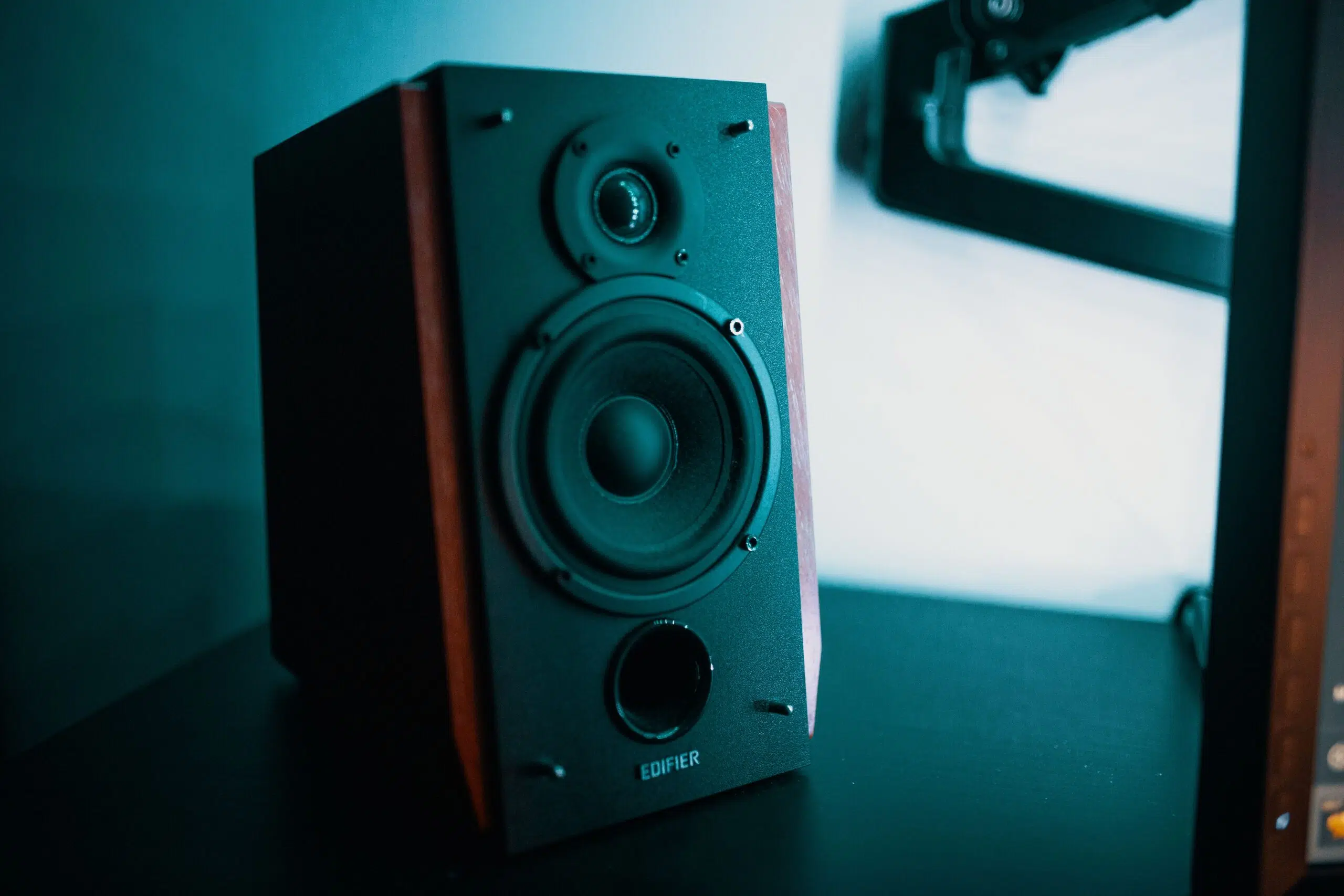
If you've spent a pretty penny on high-end speakers or simply want your current system to sound its best, you know that simply plugging and playing isn't enough. To achieve that feeling of music explodes in the hallWe need to get to the heart of the matter: optimization. It's not just about having the best hardware, but about how the components interact with the space around them.
Taking your home audio to the next level is a journey that blends technical skill with a touch of intuition. From the precise placement of speakers to the treatment of walls, there are many factors to consider. tricks and settings that can transform a flat listening experience into an immersive and exciting one. Let's break down step by step how to squeeze every hertz out of your equipment.

The strategic placement of the speakers
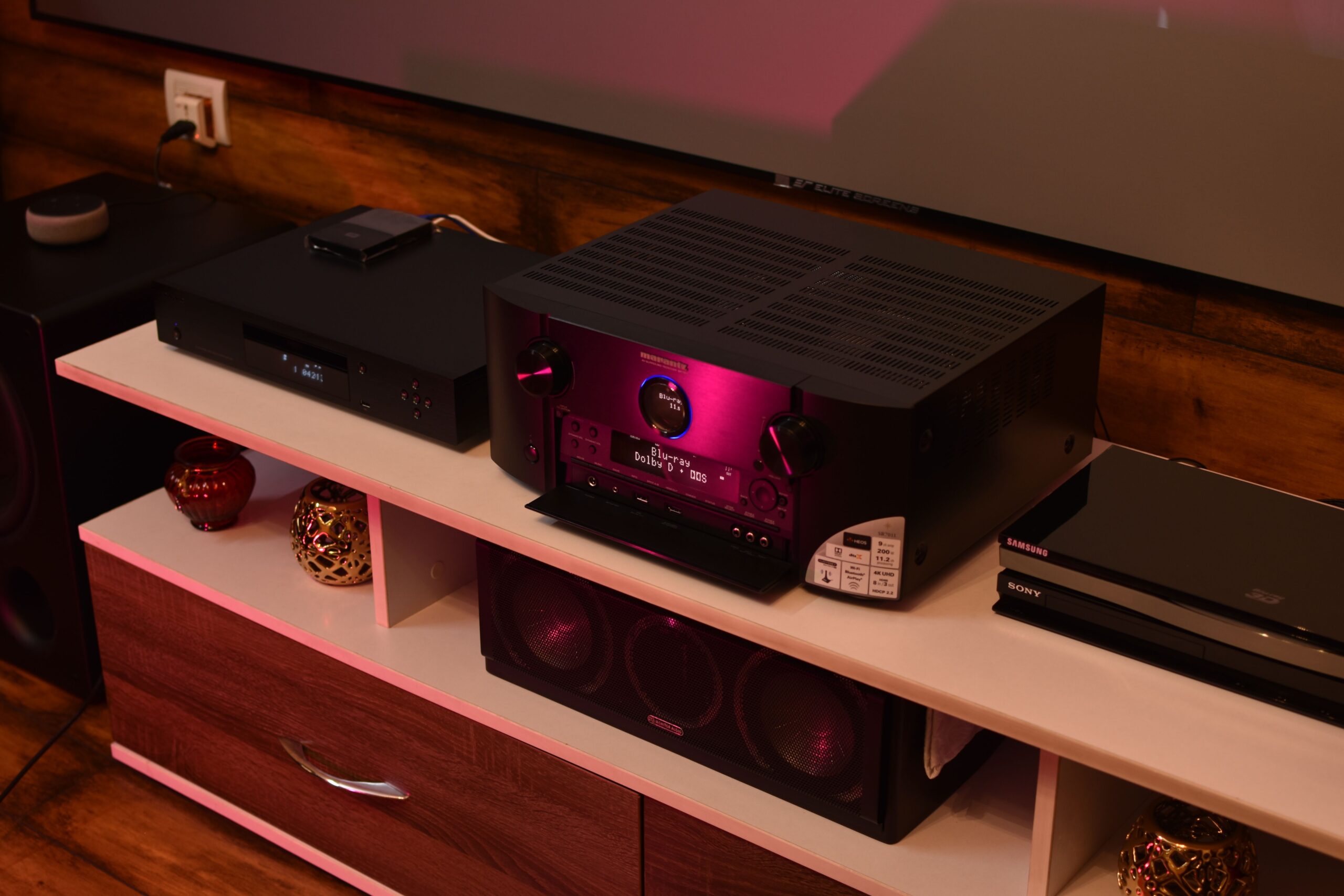
The location of your speakers is probably the most influential factor in the final result. If you're looking for a balanced sound, the golden rule is to create a equilateral triangle between the two speakers and your head at the listening position. For the front speakers, ideally they should be at ear level and slightly angled towards you, at an angle of between 22 and 30 degrees.
If you have a 5.1 or 7.1 surround sound system, the rear speakers should be positioned to the sides or behind, preferably slightly higher than ear level. enhance the immersive effectTo achieve this, it is essential to know Setting up and understanding 5.1 soundAs for the subwoofer, the most common practice is to place it near a wall or corner to take advantage of the reflection of the bass waves and gain power, although you have to be careful that the sound does not become too boomy or uncontrolled.
One detail that many people overlook is the distance from the wall. If your speakers are bass-reflex type, leave at least 20 or 30 centimeters of separation so that the bass doesn't bounce back. Don't blur the soundscapeIf you use compact monitors, use dedicated stands or metal spikes to prevent vibrations from being transmitted to the furniture.

Control of acoustics and the environment
You can have the most expensive equipment in the world, but if your room is a "resonance cube," the sound will be a disaster. Smooth, hard surfaces, like wooden floors or bare walls, generate echoes that muddy the signal. To remedy this, you can add sound-absorbing elements, such as thick carpets, heavy curtains or upholstered furniture.
For those seeking a more professional solution, installing acoustic panels at the points of first reflections is the best option. These elements eliminate unwanted frequencies and They improve the clarity of the audio drastically. Remember that the room is, essentially, another component of your sound system and should be treated as such.
Electronic chain optimization: Amplification and DAC
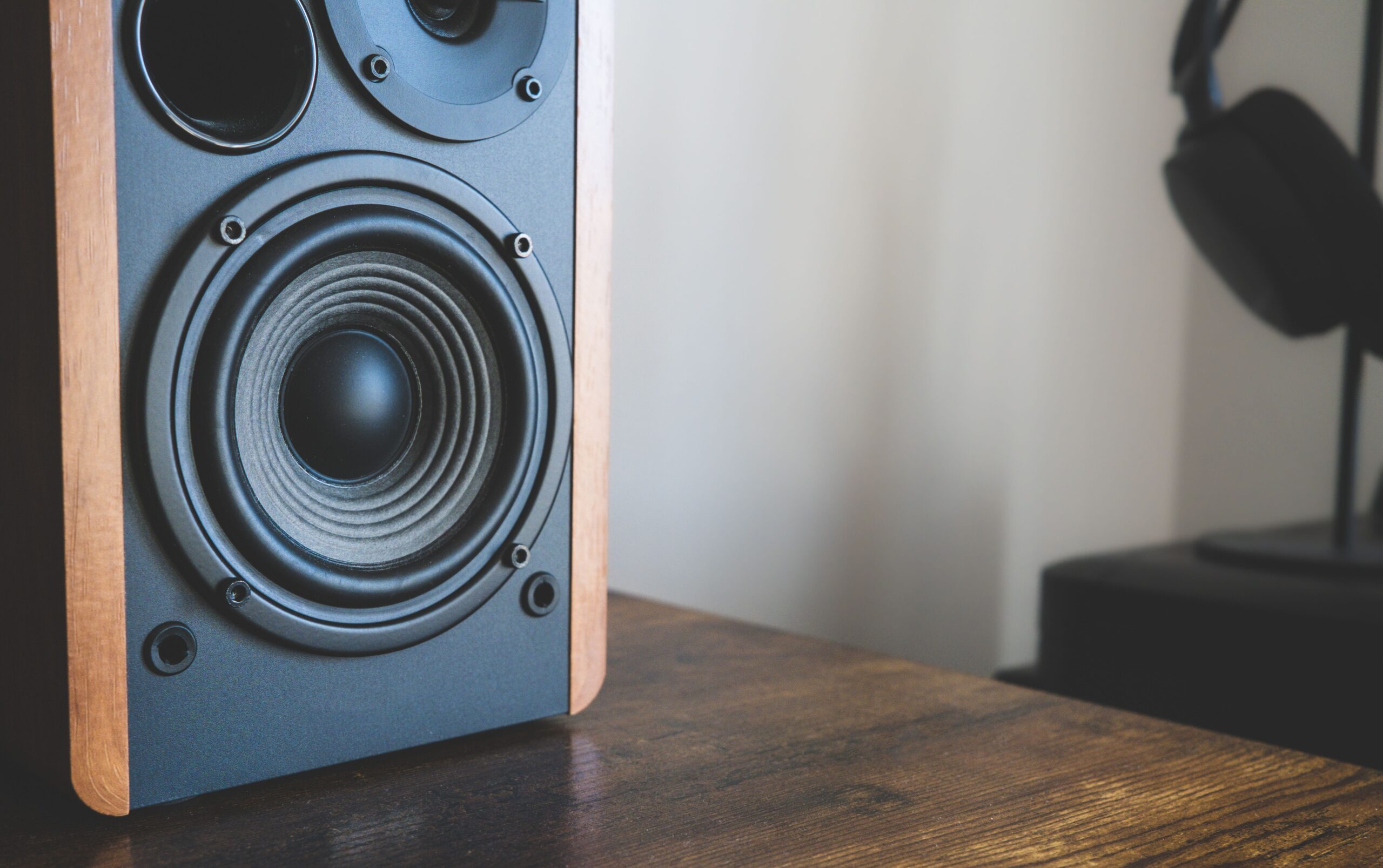
The hierarchy of high fidelity is clear: the source comes first, then the amplifier, and finally the speakers. If your speakers are passive, you need an amplifier that gives them just enough power so they don't drown out the sound. Even in active systems, an external amplifier can be beneficial. improve dynamics and volume.
If you listen to music from a computer or mobile device, an external DAC (digital-to-analog converter) is a smart investment. This device transforms the digital signal into an analog signal with much greater precision, resulting in a greater clarity and musical detailLikewise, it is vital that the amplifier is well ventilated, leaving at least 5 cm of free space to prevent overheating and ensure its proper functioning.

The art of equalization and calibration
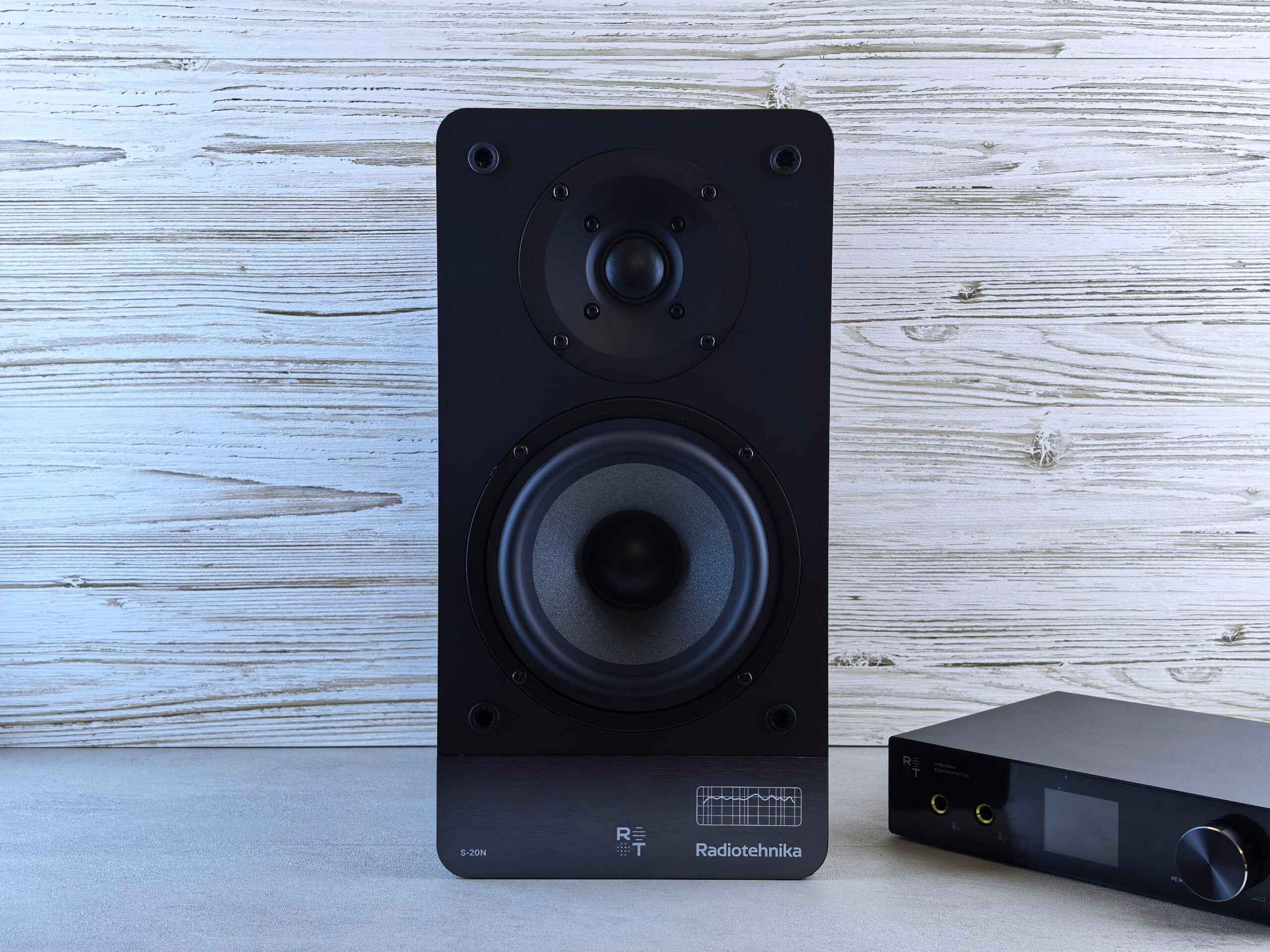
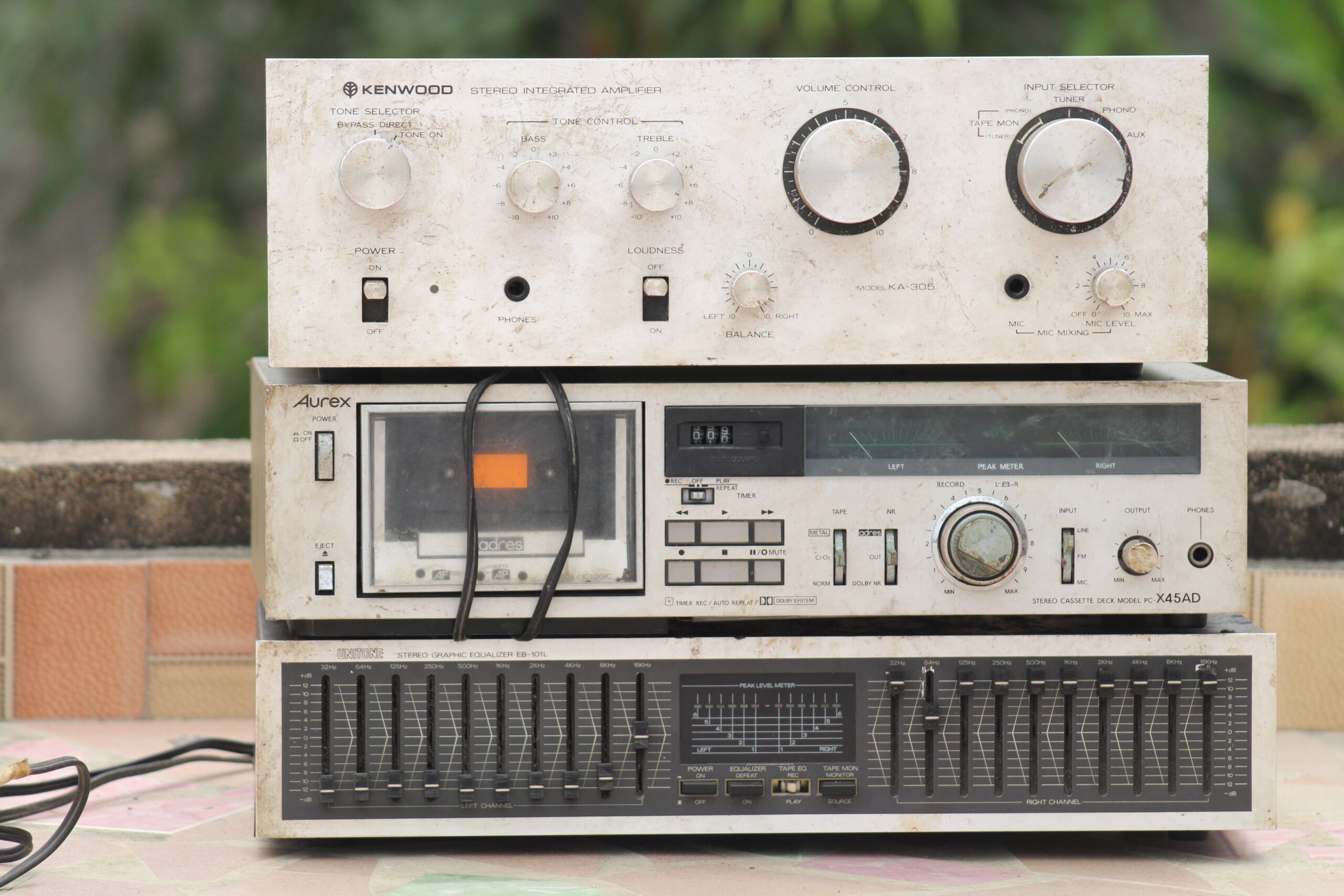
Not all rooms sound the same, and not everyone has the same ear. This is where the equalizer (EQ) comes in. A graphic equalizer allows you to adjust frequency ranges using sliders, while a parametric equalizer offers a Surgical control over the gain and bandwidth. Modern systems often include automatic calibrations that analyze the room using a microphone and adjust the levels for you.
Having the ability to emphasize the bass for an action movie or clean up the mids for a jazz piece allows personalize the listening experience depending on the content. The key is not to overdo it: excessive equalization can make the sound lose its naturalness.
Cables, power supply and vibration damping
We're not going to get into endless debates, but the reality is that cables matter. A high-quality, shielded cable prevents interference and guarantees a transparent sound transmissionIt is essential to prevent power cables from running too close to signal cables to avoid introducing unwanted noise. Also, avoid coiling excess cable, as this could create a coil that acts as a low-pass filter, eliminating low frequencies.
To combat mains electricity pollution, a power strip with a mains filter is the perfect complement. This cleans the electrical parasites that enter the amplifier. Finally, combat vibrations: use decoupling stands, silent blocks, or even solid wood to prevent the equipment from vibrating. Avoid at all costs placing the digital source and speakers on the same surface, as bass vibrations could degrade the source signal.
Making a sound system shine depends on a precise balance between the quality of the components, intelligent placement of the speakers, acoustic treatment of the room, and clean management of electricity and cabling, thus turning any living room into a true temple of audio.
