- Restarting the system and updating the build are the most effective solutions for taskbar visibility issues.
- Using keyboard shortcuts like WIN + V and WIN + D optimizes desktop management and productivity.
- There are key differences between suspending and hibernating the computer to manage power and application state.
- Microsoft Insider builds introduce constant improvements to the stability of the clock and taskbar icons.
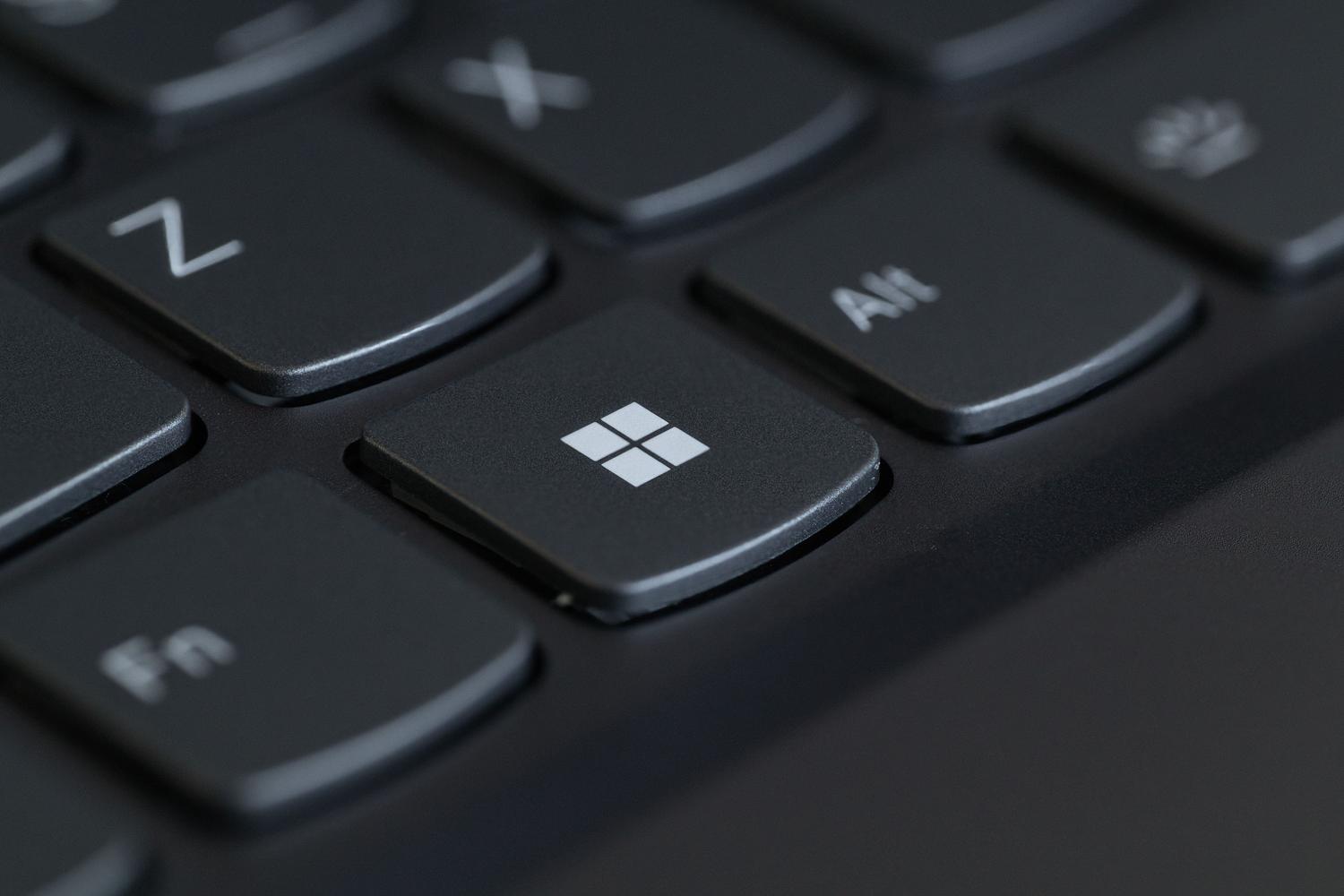
If you've ever felt like your Windows 11 taskbar is doing its own thing, or if it's driven you crazy because it disappears for no reason , you're not alone. Sometimes the system acts up, and even if you search all over the internet, it seems like no one else has experienced the same problem, leaving you with the feeling that your PC has decided to rebel.
The truth is, managing your desktop environment can be a real headache, especially with Microsoft's constant build updates . From bugs that freeze your browser to keys that stop responding, maintaining full control of the interface requires knowing a few tricks and where to look when things go wrong.

Solutions to common taskbar problems
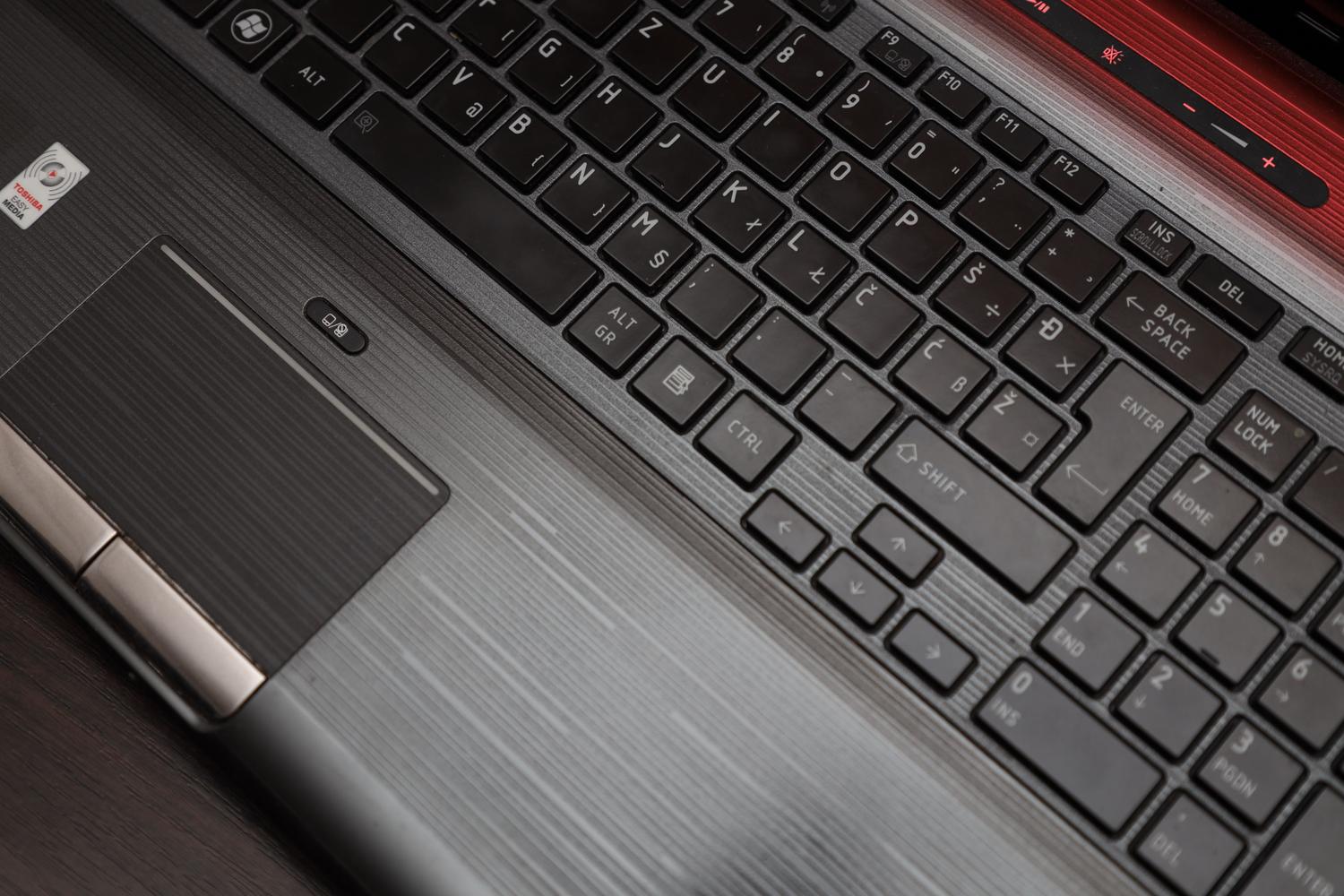
There are very specific cases where, when you press the Windows key, the taskbar disappears for about 20 seconds, leaving an empty space where you can see the wallpaper or the application you have open. This can be a considerable nuisance if you're playing something in full screen, like Minecraft, and you can't use Alt+Tab to exit the game until the system decides the taskbar should reappear.
Although it might seem silly, the most effective solution in these cases is usually the simplest: restarting your computer . Sometimes the explorer.exe process gets stuck, and a clean restart is the only thing that will fix it. If the problem persists, it's advisable to check for pending updates in the Windows Update channel, as Microsoft often releases patches to correct these visibility and flickering issues.

New features and adjustments in Insider builds

For those who venture into beta versions, such as the Dev Channel, there are constant improvements that directly affect the taskbar and system interaction. For example, changes have been implemented to ensure the taskbar clock updates more reliably, preventing it from freezing when using Remote Desktop.
- The has been optimized date and time positioning so that they are not cut off at the edges of the screen.
- Now, when you right-click on the time, the Notification Center is closed automatically so as not to obstruct the context menu.
- The error that caused the Windows Explorer will crash due to problems with the battery icon.
In addition, interesting shortcuts have been added, such as WIN + Alt + K to manage the mute icon, and visual themes for the touch keyboard and emoji panel have been expanded, allowing for much deeper customization of the visual environment.
Essential keyboard shortcuts to master Windows

Mastering the keyboard is the best way to reduce your reliance on the mouse and streamline your workflow. Some key combinations are lifesavers, like Ctrl + Shift + Esc to instantly open the Windows Task Manager or WIN + D to clear the screen and quickly display the desktop.
For those who work with many windows, using WIN + Arrow keys is essential, as it allows you to pin applications to the sides of the screen or maximize them effortlessly. Likewise, the clipboard history, activated with WIN + V , is a fantastic tool for pasting text you copied earlier, avoiding the hassle of switching back and forth between windows.
Window and file management on the desktop

The Windows windowing system allows you to have multiple processes open, even if only one is active at a time. It's essential to know that to close an application, simply click the "X" in the upper right corner , while the dash minimizes it and sends it directly to the taskbar. If you want to resize a window, you can stretch its borders or use the button with the two squares to restore its previous size.
When it comes to file organization, there are quick ways to keep everything tidy. For example, to delete an item without sending it to the Recycle Bin, the Shift + Delete key combination is key. You can also customize the file explorer view to show the preview pane , allowing you to preview a document's contents without fully opening it.

System maintenance and configuration
When your computer starts having problems, such as unresponsive keys (especially the F keys or Scroll Lock), it's important to check your accessibility settings. Windows offers options to adapt the keyboard for people with disabilities , which can sometimes change the behavior of certain keys if they are accidentally pressed.
Regarding energy savings, it's vital to differentiate between suspend and hibernate. While suspend is a low-power state for a quick return to work, hibernation completely shuts down the computer but saves the state of programs to the hard drive, allowing you to turn everything back on exactly where you left off.
To maintain security, tools like Windows Defender come pre-installed and allow you to scan for suspicious software . If the system detects something unusual but you're sure it's safe, you can choose to ignore the warning and continue browsing without interruption.
Keeping the system updated, knowing the keyboard shortcuts, and knowing how to restart Windows Explorer are the cornerstones for ensuring that the taskbar and desktop environment work smoothly, preventing small technical errors from hindering our daily productivity.
