- The transition to 128 bits necessarily requires that the hardware (processors) evolve before the software.
- The current 64-bit architecture allows for the management of such massive amounts of RAM that an immediate technical leap is unnecessary.
- Implementing a 128-bit system would involve astronomical costs in driver and software redesign without providing a real improvement to the user.
I'm sure you've been there: browsing forums or reading about hardware, you've wondered why we're stuck with 64-bit systems. It seems Microsoft has forgotten about the issue in their Redmond offices, while some users feel like they're still using an 80s console because the leap to 128-bit systems never seems to arrive, even though the idea has been on many people's minds for a long time.
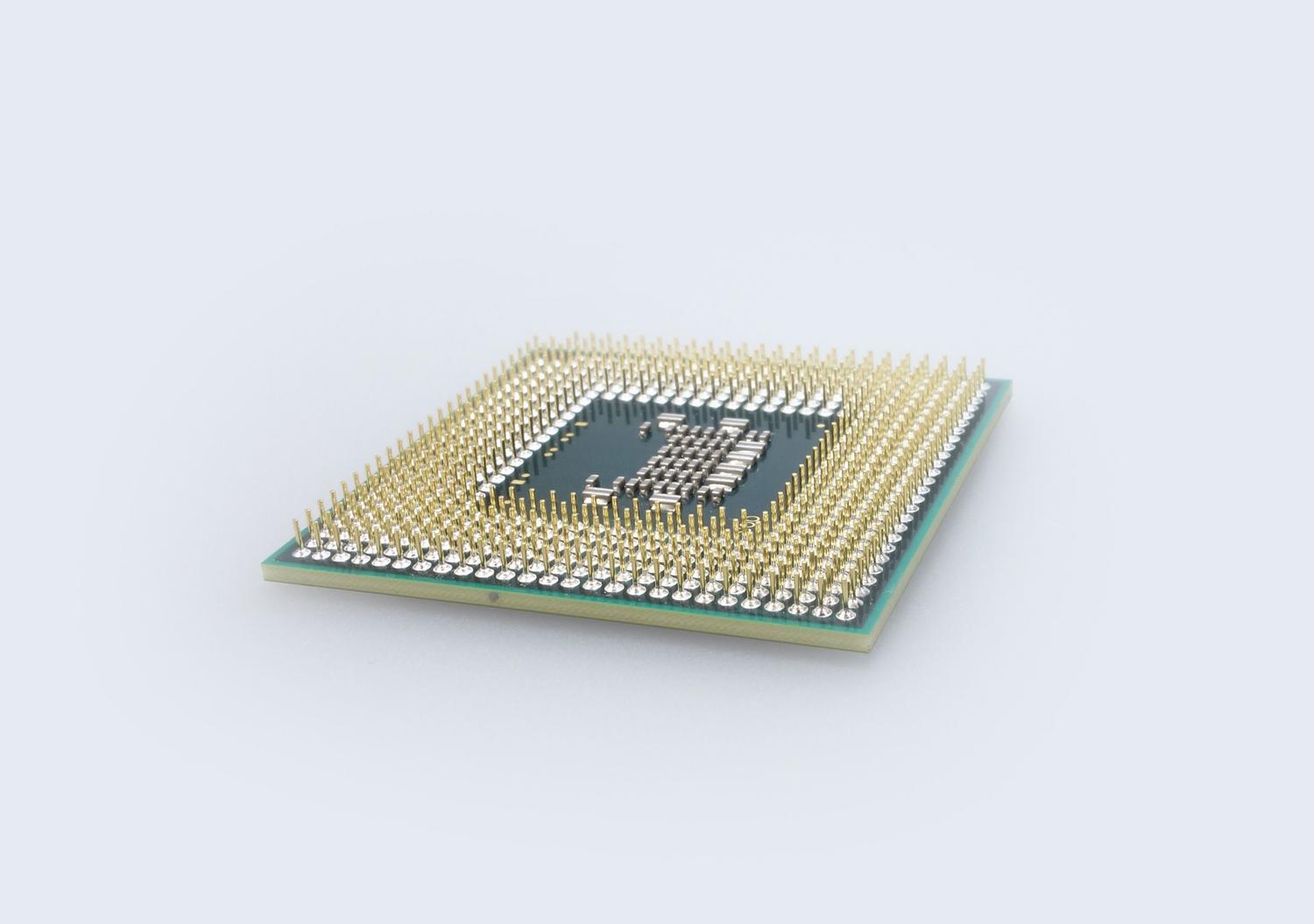
To understand this dilemma, it's not enough to look at the software; we need to examine the engine that powers everything: the processor. It's not that Microsoft is lazy, but rather that there's an absolute dependency between the hardware and the operating system , which means that developing a 128-bit version of Windows right now is simply a waste of time and money.
The dance between the processor and the software
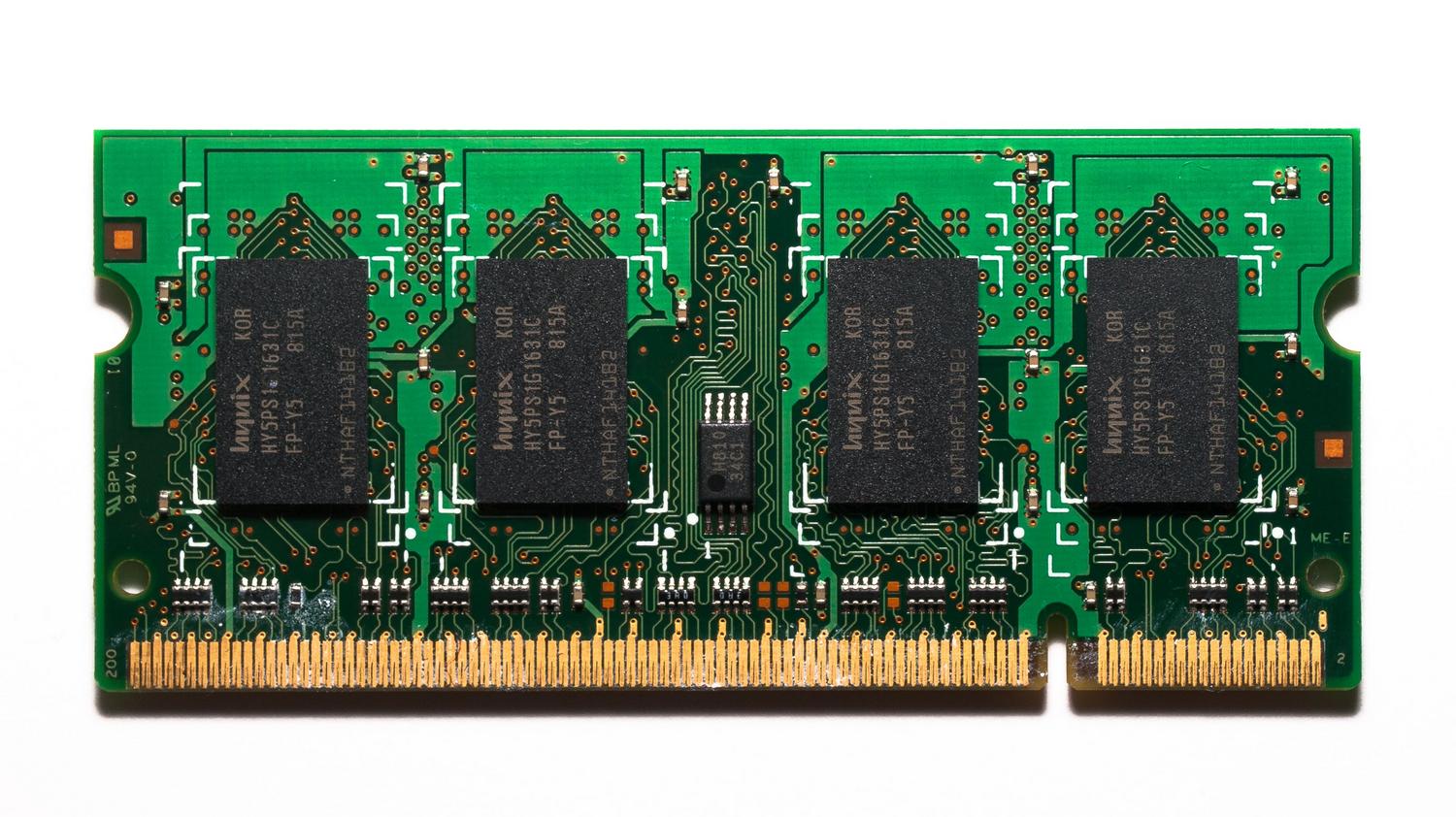
For an operating system to run at 128 bits, we first need a CPU that speaks that same language. There's no point in programming software for a machine that doesn't exist on the market. Looking back, we see that this pattern has always been the same: first came AMD's Athlon 64 processors in 2003 , followed by Intel's Pentium 4, and only then could Windows release compatible versions, as happened with Windows XP Professional x64 Edition or the later Windows Vista.
Essentially, bits define the size of the data blocks that the CPU can process in each clock cycle and, very importantly, the memory limit it can manage. A bit is the smallest unit (0 or 1), but by grouping them we create "integers." While a 32-bit processor handles about 4.294 billion integers, a 64-bit processor reaches astronomical figures of trillions of possible values . If we were to jump to 128 bits, we would enter almost surreal mathematical territory, with an amount of data that is practically impossible to read or imagine.
The battle for RAM

The main reason we've increased the bit size over the decades has been the ability to manage RAM. In the 80s, 8 MB was more than enough; in the 90s, 32 MB was the standard. But in the 2000s, consumption skyrocketed, and we went from megabytes to gigabytes, which forced us to abandon 32 bits because they could only address up to 4 GB of RAM.
The switch to 64-bit architecture solved this problem on a massive scale. Theoretically, a 64-bit system can manage up to 18 exabytes of memory (which is more than 19 billion gigabytes). To give you an idea of the scale, Windows 11 Pro is typically limited to 2 TB of RAM for practical reasons. Going to 128-bit would allow us to handle trillions of yottabytes, a figure that is pure science fiction today and completely useless in the real world.
Why not take the leap right now?
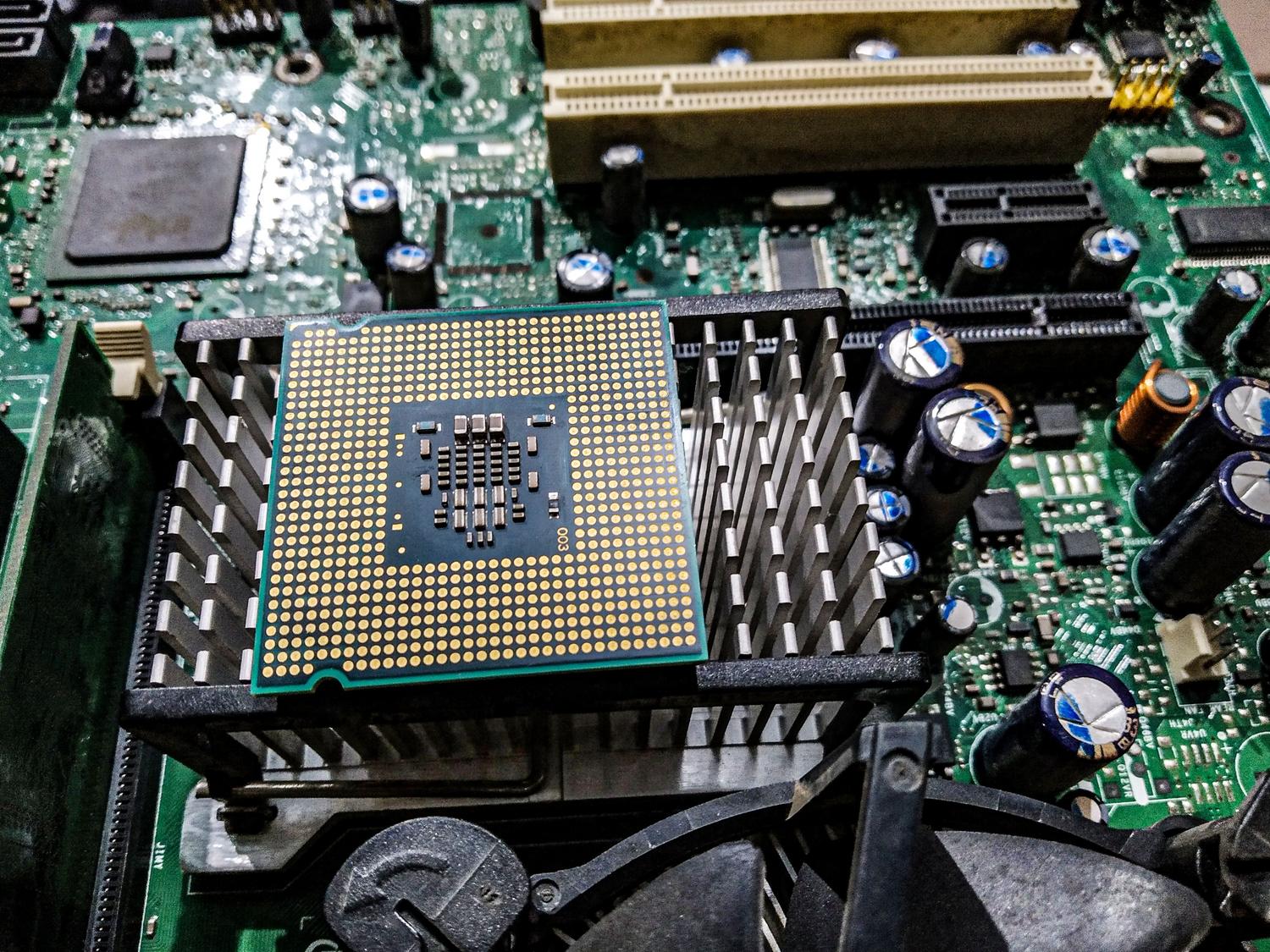
Many wonder why, if it's technically possible, it isn't being done. The short answer is that there's no real need . Currently, most of us use between 16 GB and 32 GB of RAM, and only the most powerful servers or supercomputing systems approach the current limits. Investing billions in redesigning the architecture would be a clear example of diminishing returns.
- Total incompatibility: A huge amount of drivers and software would have to be rewritten from scratch.
- Manufacturing costs: Designing motherboards and CPUs capable of taking advantage of such a capacity would be extremely expensive.
- Lack of applications: There is not a single consumer program that needs more than what 64 bits offer.
It is true that some modern processors use 128-bit registers or instructions like AVX-512 in the Ryzen 9000 for very specific multimedia or scientific computing tasks, but that is just a specific tool and does not mean that the entire system runs at 128 bits.
The future and turning points

We can't say it will never happen. The RISC-V architecture has already considered these possibilities, and the history of computing has taught us that what seems absurd today is the standard tomorrow. No one imagined in the 16-bit era that we would be using terabytes of storage, but here we are. However, we are decades away from exhausting the potential of 64 bits.
Technological evolution will continue to focus on efficiency and internal performance rather than increasing the number of bits. Unless there is a radical change in how we process information, 128-bit Windows will remain a fantasy for hardware enthusiasts, as the current infrastructure is more than sufficient for any task, from playing the latest AAA games to managing massive data centers.
The 64-bit architecture is so vast that it more than covers all current and short-term future demands, making a jump to 128 bits irrelevant due to the lack of compatible hardware and the absence of software that requires it, leaving this advance as a distant technical possibility but without immediate practical use.