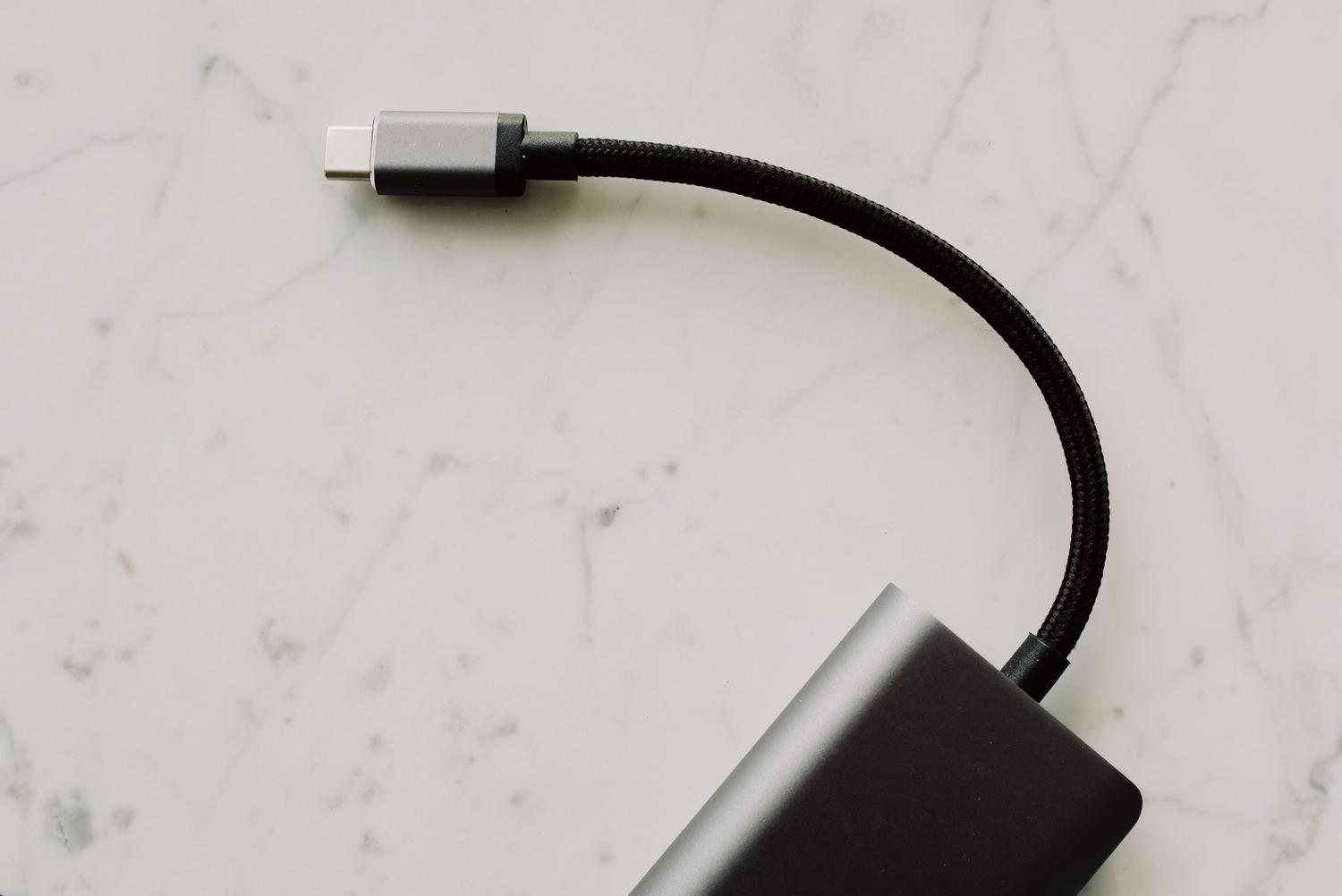
I'm sure it's happened to you: you have a drawer full of cables that look identical, but when you plug one in, your phone charges fully, while with another, it seems like no power is getting through. Or worse, you buy an HDMI adapter for your laptop, plug it in full of excitement, and the screen stays black. The reality is that USB-C is just the shape of the connectorIt's a kind of gateway, but what happens inside is a complex world of protocols and standards that don't always get along. To understand it better, it's helpful to know the Differences between USB 3.0 and USB-C.
To stop guessing and wasting money on accessories that don't work, you need to understand that not everything that glitters is gold (and not everything oval transmits video). In this article, we'll break down in detail how it works. USB-C compatibilityFrom fast charging and file transfer to tricks to get your external monitor working the first time, without complications or surprises.

Electrical load: it's not all about watts
Many people think that if a charger has high power, it can charge anything safely. Fortunately, modern devices use smart chargingIf you connect a phone that only supports 18W to a 100W laptop charger, the phone will tell the charger exactly how much power it needs and the charger will only supply that amount, preventing the device from exploding.
However, the problem arises with the language they speak, that is, the protocols. The most universal is the USB Power Delivery (USB PD)), which allows for energy negotiation. There are different versions within this: PD 2.0 uses fixed voltages, while PD 3.0 introduces the PPS (Programmable Power Supply)This technology precisely adjusts the voltage to prevent the device from overheating and extend battery life. The PD 3.1, capable of reaching 240W for powerful workstations, is already available.
There are also the closed standards of each brand, such as the Qualcomm Quick Charge or Samsung's adaptive charging. If the charger and the phone don't share the same fast charging protocol, the system will go into safe mode and charge at a basic and very slow speedwhich is frustrating but safe. For these situations, it's helpful to know How to choose the best power bank compatible.

Data transfer: the hidden speed
This is where the visual deception begins. You can have two physically identical USB-C cables, but one might be USB 2.0 (very slow) and the other USB 3.2 or USB 4. If you try to connect a high-speed external hard drive with a cable designed for charging onlyIt is very likely that the computer will not even detect the device or that the file transfer will take forever.
For those who work with large files or capture cards, it is vital to look at the actual cable specificationLower-end cables typically save costs by eliminating internal wires, limiting themselves to transmitting power and basic data. To take full advantage of bandwidth, look for USB 3.x Thunderbolt certifications, which guarantee smooth data flow.
The big headache: the video output
This is the most frequently asked question: why isn't my USB-C to HDMI adapter working? The answer is simple: for a USB-C port to output an image, it must support the Alternative Mode (Alt Mode)If your laptop or tablet hardware doesn't support DisplayPort or HDMI alternate mode, no adapter will solve the problem, because the port physically can't send video signals. You can learn more in the Differences between USB-C and HDMI to connect your monitor.
Regarding standards, the alternative mode of DisplayPort is kingBecause it offers much greater bandwidth, allowing for very high resolutions like 8K or refresh rates up to 240Hz, ideal for gaming. HDMI mode is more limited, generally reaching 4K at 60Hz. If you're looking for maximum performance, the option is Thunderbolt 3 or 4, which combines video, PCIe data and power into a single massive stream of up to 40 Gbps.
If you're having image problems, the first step is to check if your equipment supports it. DisplayPort AltMode. Si lo hace, comprueba que el cable no sea uno de «solo carga». Los cables compatibles con vídeo tienen un blindaje interno mucho más robusto para evitar interferencias y distorsiones en la imagen. En casos críticos, es posible using a laptop with a broken screen using an external monitor.

Hubs, Docks and Port Management
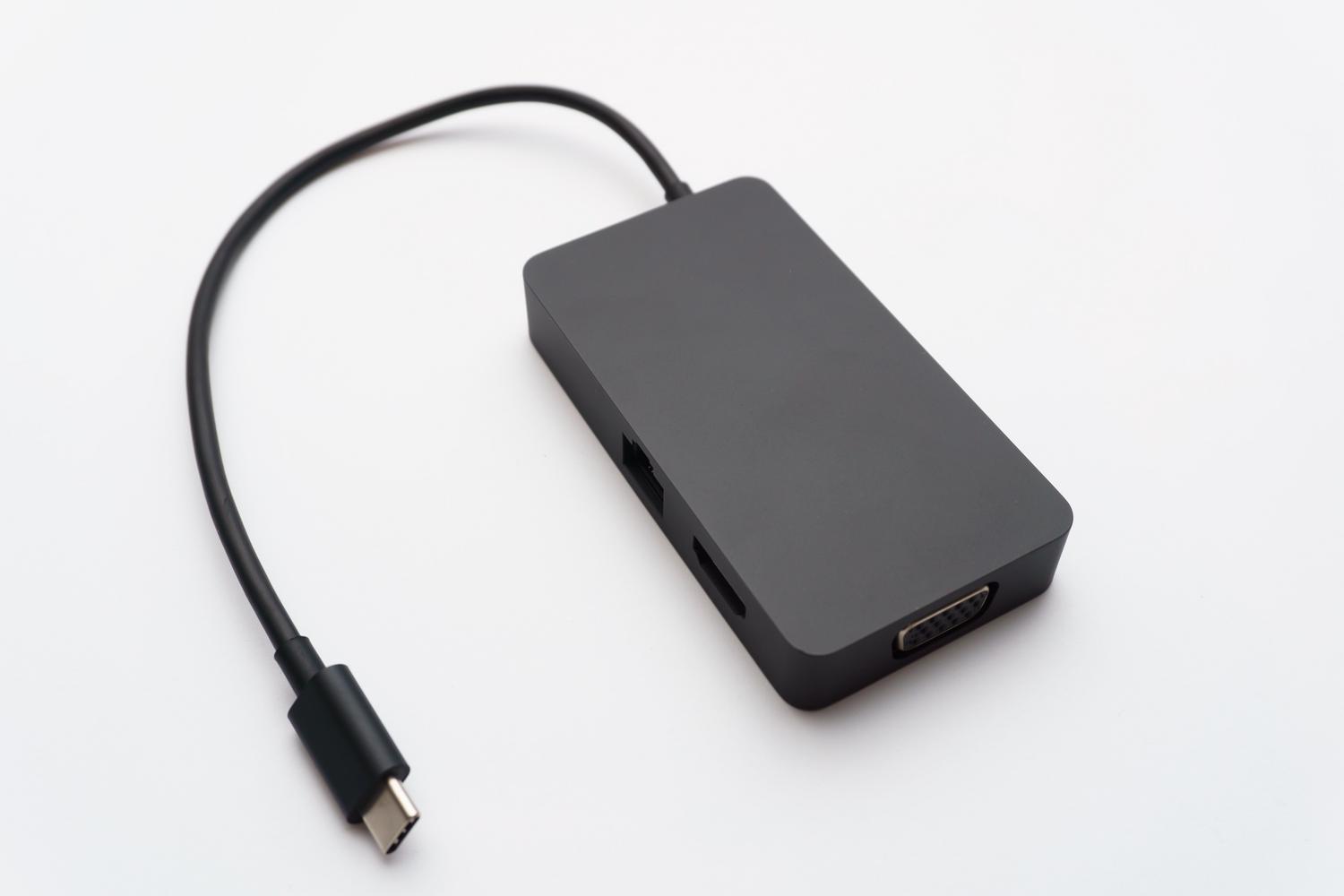
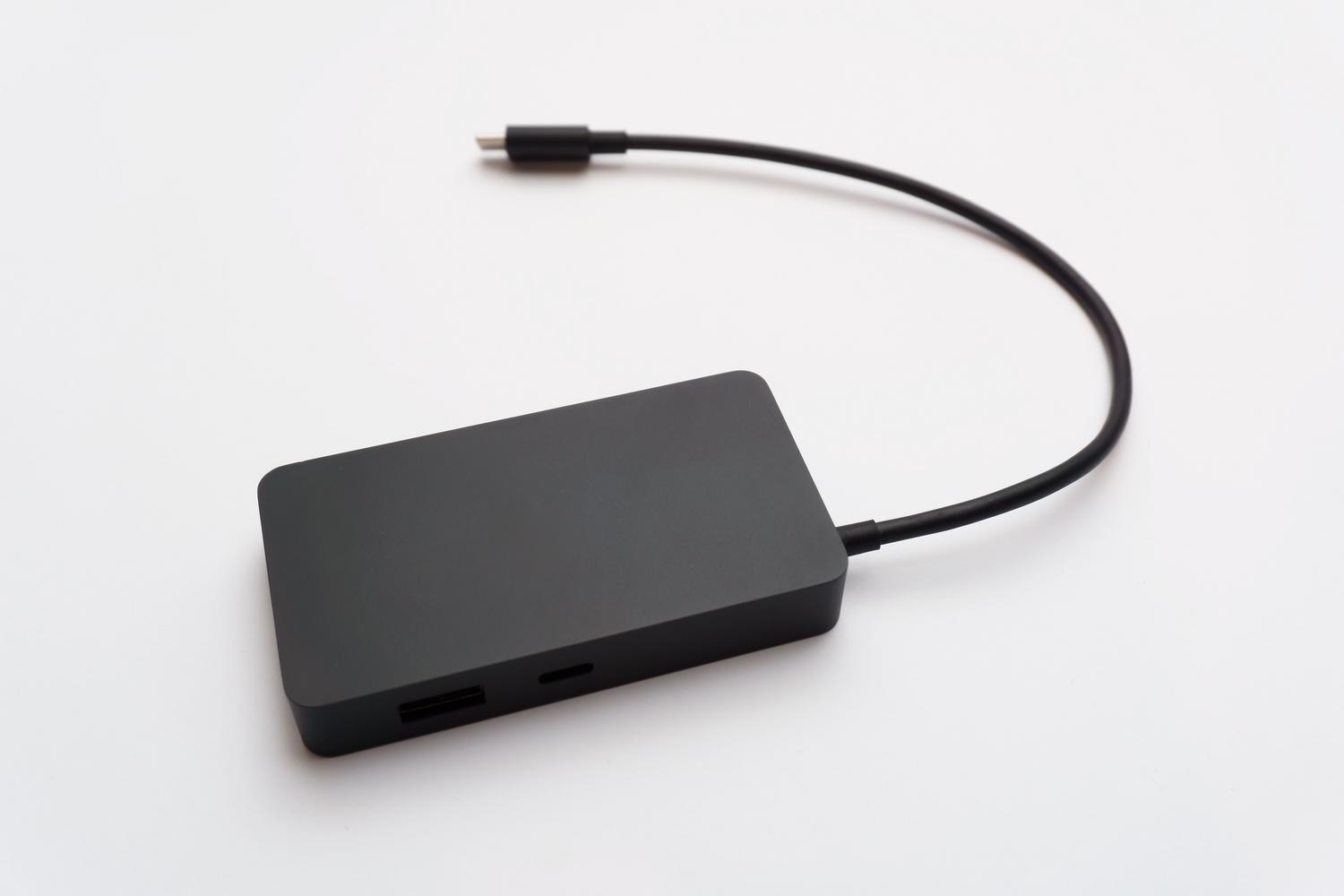
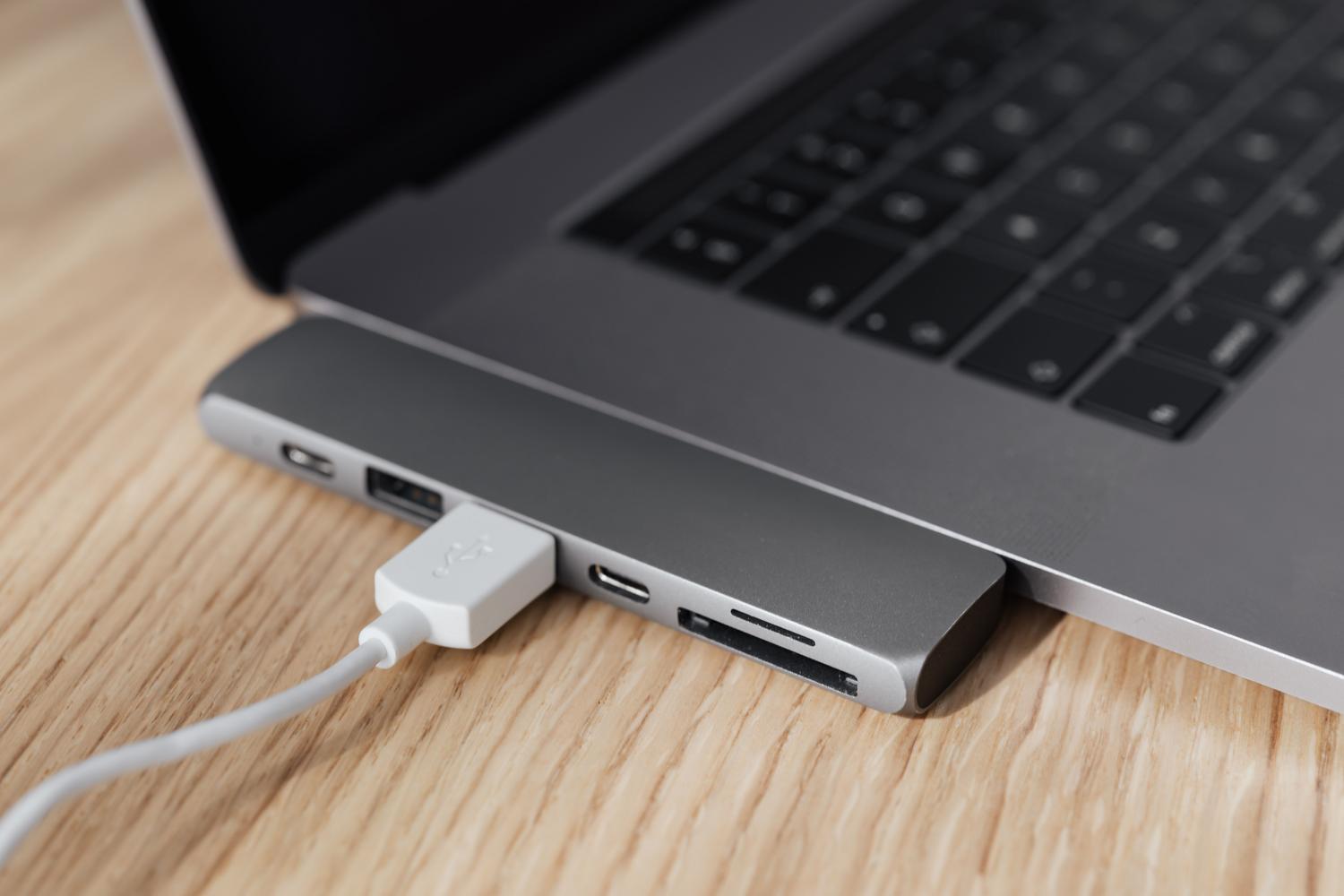
For those looking to simplify their desktop, a USB-C hub is a lifesaver, but you need to know how to choose the right one. Some are simple port multipliers, while others... professional docks They allow you to charge your laptop (Power Delivery), connect multiple screens, and have a stable Ethernet network. Before buying one, you should confirm if the dock requires external power in order to supply power to the connected peripherals.
In business environments, it's common to mix equipment from different generations. An adapter that works perfectly with a modern laptop might not work with one that's three years old, even if they both have the same connector. Therefore, the recommendation is standardize the accessories based on the oldest model in the fleet to ensure that everything always works.
How to choose the right equipment and avoid mistakes
To avoid making a mistake, the first thing to do is read the device data sheet. No te fíes del conector; busca términos como «Thunderbolt», «USB4», «Power Delivery» o «salida de vídeo». Si el fabricante no menciona explícitamente el vídeo, asume que ese puerto solo sirve para cargar y pasar datos.
When it comes to cables, check the labels. Lightning bolt icons indicate Thunderbolt, and DisplayPort logos confirm compatibility with monitors. Also, if you're charging a powerful laptop, make sure the cable has a chip. e-marker and be certified for 100W or 240W, since a standard 60W cable will limit the power even if the charger is more powerful.
To quickly troubleshoot problems, always try connecting the device. without hubs or extensions Intermediate settings. Updating your graphics card drivers in Windows often resolves many external monitor detection issues. If the image flickers, check that the cable isn't crossed with power cables, as this can cause flickering. electromagnetic interference It is the main cause of corrupt images.
Having an efficient USB-C ecosystem involves combining charger power, cable capacity, and device port compatibility. While charging is generally safe thanks to intelligent power negotiation, fast video and data transfers require specific hardware such as Alternate Mode or Thunderbolt. Investing in certified cables and checking technical specifications before buying is the only way to ensure that a single cable truly works for everything.
