- A smart home goes beyond classic home automation, combining connectivity, automation, and intelligence to create a flexible and scalable ecosystem.
- The assistant's personality is supported by AI, context memory, and conversational design, allowing for a more natural interaction, adapted to the user and each situation.
- Safety, energy efficiency, comfort and leisure are integrated into scenes and routines that automate daily tasks, reduce consumption and improve the home experience.
- To take full advantage of the potential of a smart home, it is key to have good connectivity, a solid hub, compatible devices, and a careful configuration of privacy and cybersecurity.
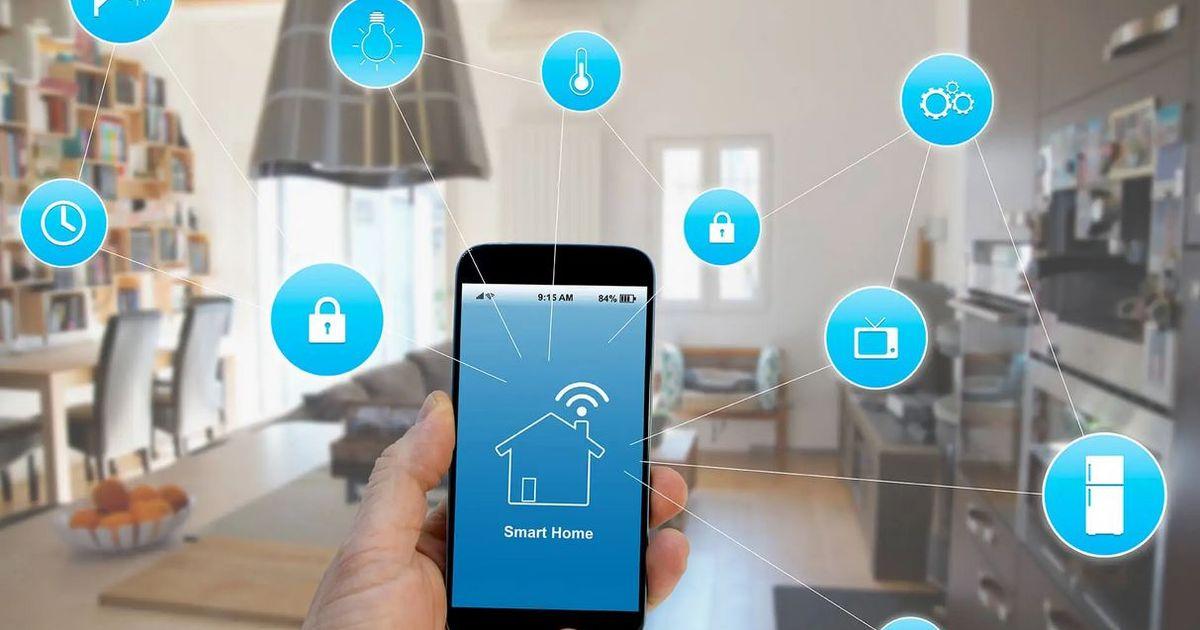
The idea of our home "talking" to us no longer sounds like science fiction. Today we can turn on lights , adjust the heating, or play music with a simple voice command or a tap on our phone. But most assistants still sound the same: efficient, yes, but cold and somewhat robotic.
That's where personality comes into play in the smart home . It's not just about the assistant having a different voice, but about its ability to modulate its tone, use humor, and adapt to your mood and routines. In other words, having a smart home that not only obeys commands but also seems to "understand" you.

From traditional home automation to a smart home with personality
For years, home automation focused on automating processes in a rigid and technical way : light sensors that raise or lower blinds, heating timers, fixed lighting scenes… very useful, but not very flexible. It usually required professional installation, specific wiring, and complex modifications if you wanted to expand the system.
Today's smart home goes a step further: we're now talking about internet-connected devices that communicate with each other , that you can control from your phone or by voice (Alexa, Google Assistant, Siri), and that learn from your habits. They're also usually modular systems: you can add light bulbs, plugs, sensors, or cameras without having to redo the entire installation.
The key difference is that a contemporary smart home not only combines automation and connectivity , but also intelligence. Thanks to the Internet of Things (IoT) and AI, the system can anticipate your needs: adjusting the temperature according to your schedule, adapting the lighting to the weather, or modifying the voice assistant's tone depending on who is speaking and what time it is.
In this context, solutions that blend open platforms like Home Assistant with advanced AI models are starting to make sense . Instead of being limited to predefined responses, intelligent agents are being designed that can remember your preferences, understand the context of the conversation, and offer nuanced responses, wordplay, or brief comments instead of “endless speeches.”
How a smart home works from the inside
A smart home can be understood as a coordinated technological ecosystem . It's not just a speaker in the living room or a light bulb that you turn on from your phone; it's the sum of several elements that work together to give you comfort, security, and efficiency.
At the base are smart devices : light bulbs, smart sensors , thermostats, IP cameras, motorized blinds, programmable plugs, electronic locks, connected appliances, robot vacuum cleaners, etc. Many connect via Wi-Fi, but specific protocols such as Zigbee or Z-Wave are also used to ensure fast and stable communication between devices.
On top of that physical layer, we find the control center or hub . This could be an app, a speaker with a voice assistant, or a dedicated device (for example, a SmartThings hub). It's the "brain" that receives information from the sensors, interprets rules and automations, and sends commands to the other devices. This is where decisions are made about whether to turn on the heating, lower the blinds, or activate the alarm.
The third pillar is automation . Through rules (based on schedules, presence, geolocation, weather conditions, etc.) or AI algorithms, the house can perform actions without you having to constantly monitor them. For example, lights that turn off automatically when no one is home, blinds that adjust to sunset, or scenes that activate when your phone detects your arrival in the neighborhood.
In the most advanced solutions, a layer of cloud infrastructure (AWS, Azure and similar) is added to ensure low latency, high availability and easy scaling, especially when we talk about AI assistants that process voice, context and data in real time.
Home automation vs smart home: key differences
Although many people use them interchangeably, home automation and smart home are not exactly the same . Traditional home automation is usually a closed, wired system installed during construction or renovation. It typically offers great stability, but is less flexible and often expensive to expand or modify.
Modern smart homes rely on connected devices, primarily wireless , that you can install yourself. They don't require major construction or special wiring, and allow you to start with just a few items (light bulbs, plugs, smart speaker) and gradually expand as your needs grow.
Furthermore, a smart home is much more interactive: you can control everything from your mobile phone, by voice, or even remotely . You also receive notifications, suggestions, and usage reports, and you can change routines on the fly. Traditional home automation, on the other hand, tends to offer more rigid automations, defined almost entirely during the installation phase.
A very clear example is lighting. In a classic smart home, the lights might turn on at a fixed time or based on a specific sensor. In a modern smart home, those same lights can react to the weather, occupancy, your calendar, your location, or even external events (from sunrise to the score of a football match), integrating with platforms like IFTTT.
Levels of integration: from basic to professional
Transforming a conventional house into a smart home can be done in stages. There's no need to undertake major renovations or spend a fortune: you can start with very basic use and eventually upgrade to a high-level professional system, if desired.
At the first level, we have the basic or spontaneous use level . This includes plug & play devices: smart bulbs, Wi-Fi plugs, simple cameras, speakers with voice assistants, standalone sensors… Each device usually has its own app; there isn't deep integration between them, but it allows you to try out the technology and solve simple needs without complications.
The next step is the intermediate level with an integrated wireless system . In this case, smart switches, plugs, and sensors are used to replace traditional ones, but they respect the existing wiring. All devices are managed from a single app or hub, scenes can be created ("night mode," "vacation mode," "arrival mode"), and voice control is facilitated with assistants like Alexa or Google Assistant.
The advanced level is reached with professional wired systems . These are dedicated internal networks (using protocols such as KNX, Loxone, Crestron, etc.), typically installed in new construction or renovations. They offer maximum stability, scalability, and extensive capabilities in energy automation, zoned climate control, access control, and comprehensive building management.
In these professional scenarios, the assistant's personality and user experience are designed more carefully: fully customized voice and screen interfaces can be created , with their own brand identities and conversation flows that fit the user's or company's style.
Types of devices in a modern smart home
A smart home is made up of many different elements, and the key is that they all speak the same digital language or, at least, can coordinate through a common platform. These are the most common groups:
On one hand, there are virtual assistants , which are usually the user's main entry point. We're talking about Alexa, Google Assistant, or Siri, integrated into speakers, screens, or even soundbars. Through them, you issue commands, create voice routines, and manage other compatible devices.
Smart lighting is another key element. Dimmable bulbs, RGB LED strips, connected switches, and integrated solutions like Simon iO allow you to adjust intensity, color, and schedules, and combine lights into scenes for every occasion: work, relaxation, movies, reading, parties, etc. They also help save energy by switching off when not needed.
In terms of security, this includes IP cameras, motion sensors, video doorbells, electronic locks, and smoke, gas, or water detectors, all of which are part of security systems . Everything can be monitored in real time from a mobile device, allowing you to receive alerts and, in some cases, activate automatic protocols (power cutoff, lighting activation, audible alert, etc.).
Smart thermostats and connected climate control systems are key to combining comfort and efficiency. They learn your schedule, detect if people are home, and adjust the temperature accordingly. They also offer modes like "vacation" or geolocation control, so the house gradually warms up when it detects your return.
Finally, we have connected appliances and domestic robots . Refrigerators that help you with your shopping list, washing machines that can be programmed from your mobile phone, ovens that adjust cooking times based on the recipe, and vacuum cleaners that clean while you're out. All of this is complemented by water and energy management systems that monitor consumption and alert you if they detect any anomalies.
Comfort, leisure, and scenes that adapt to you
The first major advantage of a smart home is the increased convenience in daily life . Tasks that previously required you to go from room to room (raising blinds, turning off lights, adjusting thermostats) are now concentrated in a button, a scene, or a voice command.
For example, you can control all your blinds with a single button: when you leave home, a single action lowers them all; when you arrive, another action partially raises them. Or you can set up a welcome scene that turns on several lights at different intensities, activates a floor lamp at maximum brightness, and leaves a soft light in the kitchen to create a cozy atmosphere as you walk through the door.
The "good morning" routine is also very common, in which the blinds slowly open, the lights gradually brighten, and your favorite radio station or playlist starts playing. Before bed, a "sweet dreams" mode can gradually dim the lights, turn off electronic devices, and leave only a low-level light guide in the hallways so you can move around without being dazzled.
In the realm of leisure, smart homes allow you to synchronize lighting, sound, and screens . You can create a "cinema mode" that lowers blinds, dims the lights to 20%, and activates the surround sound system; a "dinner with friends" mode with brighter lighting and ambient music; or a "party" mode with RGB LEDs that change color to the rhythm of the music.
Voice-activated multimedia control also scores many points: requesting a series on a specific television, playing jazz in a room, changing playlists on Spotify, or pausing playback with a simple command end up becoming everyday gestures that, once you get used to them, are hard to abandon.
Energy efficiency and sustainability in the connected home
Beyond comfort, one of the main goals of the smart home is to reduce energy consumption without you having to think about it too much . The house becomes proactive in avoiding waste.
Smart heating and air conditioning management is a prime example. You can work by zones, schedule time slots, activate automatic modes based on temperature and presence sensors, or define a "vacation" mode that keeps the home at a safe minimum temperature without overspending.
Timers for lights and sockets allow lights in bathrooms, hallways, or other passageways to turn off automatically after a few minutes, or for certain devices (such as chargers, sound equipment, or small appliances) to be completely disconnected to eliminate phantom loads.
Furthermore, many platforms and solutions like Simon iO integrate real-time energy consumption monitoring features . This allows you to see which devices are the biggest energy hogs, identify inefficiencies, and assess the need to switch to low-consumption models. At the enterprise level, this data can be leveraged with business intelligence tools like Power BI to detect patterns, optimize schedules, and reduce energy bills.
All of this translates into economic savings and a lower environmental impact, something that is increasingly weighing on the decision to invest in home technology.
Safety, care and well-being thanks to the smart home
Security is another major driver of adoption. A well-designed smart home becomes an important ally for protecting the home and its occupants , but also for caring for dependent people or those with reduced mobility.
IP cameras and sensors allow you to monitor your home from anywhere, receive alerts for unexpected movements or doors left open outside of normal hours, and record what happens in the cloud. Many households use these solutions to keep an eye on children, elderly relatives, or pets when they are away, offering added peace of mind.
By simulating presence, the system can turn on lights, raise or lower blinds, and activate certain devices randomly or according to schedules, to give the impression that someone is home even if it is empty, which helps to deter intrusions.
In environments with vulnerable individuals, smart home technology facilitates tasks such as remotely unlocking the door, adjusting the room temperature, receiving alerts for smoke, gas, or water leaks , and even monitoring air quality and certain health parameters. All of this is managed remotely by caregivers or family members.
However, this hyperconnectivity brings with it very legitimate concerns about privacy in virtual assistants and cybersecurity. That's why the most comprehensive solutions incorporate specific layers of protection for voice traffic, data storage, and the home network in general, with the aim of minimizing the risk of intrusion or misuse of information.
The assistant's personality: voice modes, AI, and user experience
One of the most interesting changes we're seeing is how major voice assistants are starting to offer configurable personality modes . In the case of Alexa+, for example, it's possible to choose between modes like Alexa, Brief, Sweet, or Chill, designed to adjust the amount of information, the emotional tone, or the amount of unnecessary chatter.
However, many users still feel that, even in "brief" modes, the assistant adds unnecessary comments, such as weather notes or overly long responses to simple commands. This demonstrates that there is still a way to go to achieve assistants that truly adapt to each person's communication style.
Tailor-made solutions that combine open platforms (like Home Assistant) with advanced AI models allow for much greater possibilities. Instead of simply changing the voice or lengthening/shortening responses, it's possible to design personalities consistent with a brand or the family living in the house : more serious, more informal, with a greater sense of humor, more minimalist in their interventions…
This personalization involves building an interaction layer capable of understanding context, remembering preferences, recognizing who is speaking, and adjusting its behavior accordingly. For example, an assistant that responds differently if it detects that a child is asking the question, or that uses a more direct tone if it knows you're in a hurry first thing in the morning.
At the enterprise level, these personality capabilities in the voice interface open the door to products and services with a strong, distinct identity , where the assistant becomes part of the brand experience. Furthermore, all this interaction data can be analyzed using business intelligence services to further refine automation and the end-user experience.
Basic requirements for a functional smart home
For all this magic to work stably, there are a number of requirements that should be clear, whether you want a simple system or something much more advanced with custom AI.
The first requirement is a fast and stable internet connection . Fiber optic is the ideal option, especially if you'll be managing multiple connected devices and cloud services. It's also important to ensure good Wi-Fi coverage: depending on the size and layout of your home, you might need extenders or a mesh network to guarantee a strong signal throughout, and you should also configure your firewall correctly.
The second pillar is the hub or central control system . This could be a speaker like an Echo, Google Home, or HomePod, a dedicated hub like SmartThings, or a combination of several elements coordinated through IoT platforms. The choice depends on your preferred ecosystem and the type of devices you want to integrate.
Third, you need compatible smart devices : connected thermostats, dimmable lighting, smart plugs, security cameras, electronic locks, speakers with built-in assistants, smart appliances, etc. It's always a good idea to check which standards and platforms they support (Alexa, Google Home, Apple HomeKit, Zigbee, Z-Wave…) to avoid incompatibilities.
Finally, there's the automation and rules component . This is where manufacturer apps, central hub apps, and services like IFTTT come into play, allowing for highly flexible "if this happens, do that" scenarios. It's precisely this layer that transforms a house with connected devices into a true smart home that reacts automatically to triggers and usage patterns.
The good thing is that you don't have to set everything up at once. You can start with a few simple automations and gradually make the system more complex as you become more familiar with the technology and identify new needs.
When the smart home changes the way we live
Beyond theory, studies of smart home usage show that the smart home is mainly used in three major areas: security and care, productivity and multitasking, and pleasure or enjoyment of the space.
In terms of security and care, many users highlight the usefulness of being able to remotely monitor dependents, children, or pets , check on the home while away, or receive alerts for water leaks, smoke, or intrusions. In homes with people with disabilities, the ability to remotely open the door, adjust the temperature, or turn on lights by voice represents a significant improvement in their independence.
In terms of productivity, the idea is to reduce the burden of repetitive tasks. Automatic lighting when you enter a room, self-adjusting heating, blinds that raise and lower without you having to press switches, voice assistants that allow you to keep your hands busy while managing reminders, lists, calls, or even quick queries.
Pleasure and entertainment come with the ability to create customized sensory environments through lighting and sound. Completely changing the mood of the living room with a scene, enjoying a home theater experience, or preparing an evening with a very specific combination of lights and music are common examples of how the smart home affects mood and the perception of space.
All this potential, however, comes with the responsibility of correctly configuring network security, data management, and permissions . Understanding who has access, how recordings are stored, and which external services are involved in automation is part of the new "digital literacy" that should be mastered to take full advantage of the smart home without overexposing oneself.
The evolution of the smart home, coupled with the arrival of assistants with personalities, is redefining how we inhabit our homes: they are no longer just spaces where things are located, but connected environments that adapt, learn, and communicate with us. As devices become more open, AI more accessible, and cybersecurity in smart buildings solidifies as a fundamental pillar, the dream of having a home that responds naturally, knows you, and has its own unique character is ceasing to be a fantasy and becoming an everyday reality within reach of anyone willing to take that leap.