- Implementation of Channel Sounding for centimeter-precise localization and greater security in digital access points.
- Drastic latency reduction through ISOAL and the LC3Plus codec, optimizing Hi-Res audio and gaming.
- Improved energy efficiency and device scanning thanks to DBAF filtering and advertiser monitoring.
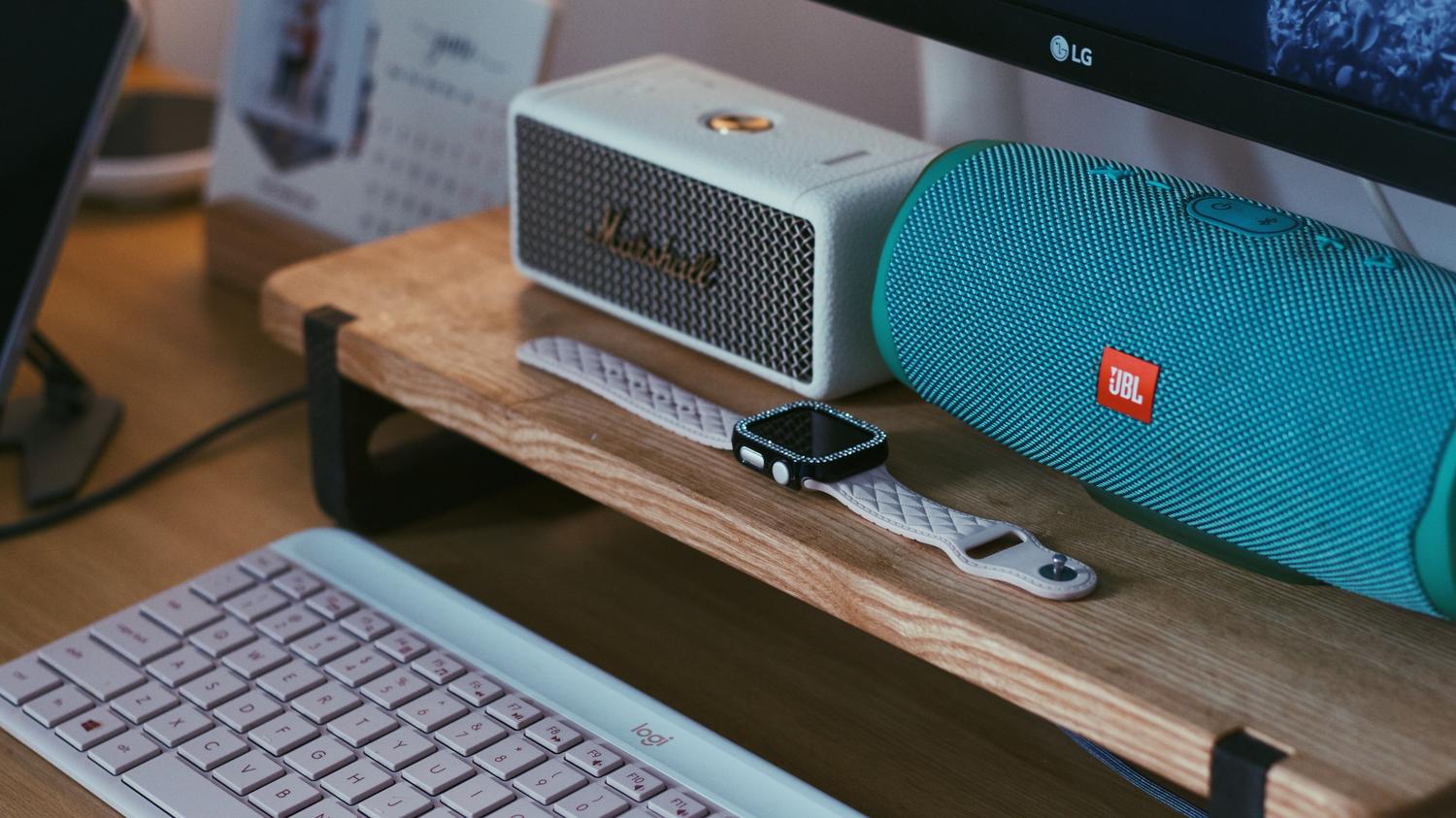
You're probably used to Bluetooth being that invisible thread that keeps your headphones, watch, or PC mouse connected wirelessly. However, after years of minor improvements in version 5, the standard has taken a significant evolutionary leap with the arrival of Bluetooth 6.0, an update that not only changes the version number but also addresses long-standing security and accuracy issues.
The first thing to understand is that even if you buy the latest gadget with this technology, the system will always adapt to the oldest device. In other words, if you pair Bluetooth 6.0 headphones with a phone that's stuck on version 5.0, they'll operate under the 5.0 rules . Even so, once you have the entire ecosystem updated, the advantages in terms of responsiveness and power consumption are simply incredible.
The technical features of Bluetooth 6.0
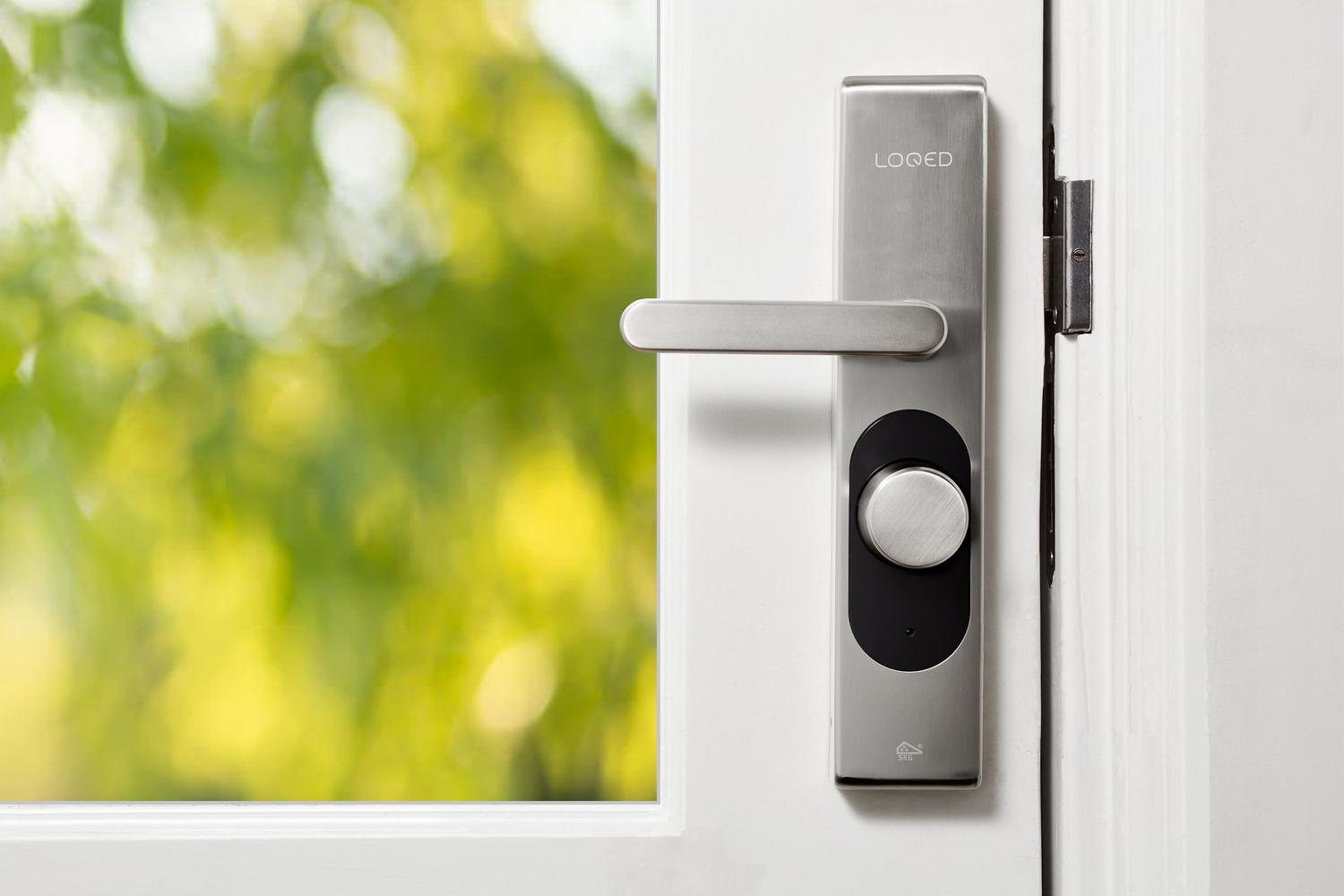
One of the crown jewels is Channel Sounding . Unlike before, when the system estimated distance based on signal strength (a highly imprecise method), it now uses phase measurement and round-trip timing. This allows for determining the distance to an object with an accuracy of a few centimeters , making search networks like Apple's and Google's much more effective tools.
This same technology can be used to enhance security. Imagine you have a smart lock at home or in your car; with Bluetooth 6, the device will only unlock if it detects that you are within a strictly specific range , preventing someone from bypassing the system from a few meters away to gain unauthorized access.
Regarding connection management, Decision-Based Ad Filtering (DBAF) is introduced . To put it simply: when you're in a crowded place and you search for your device, your phone no longer has to analyze every single data packet in the air. It first checks a primary channel and only switches to a secondary one if the information is relevant. This makes pairing much faster and saves you time decoding signals you're not interested in.

High-fidelity audio and minimal latency
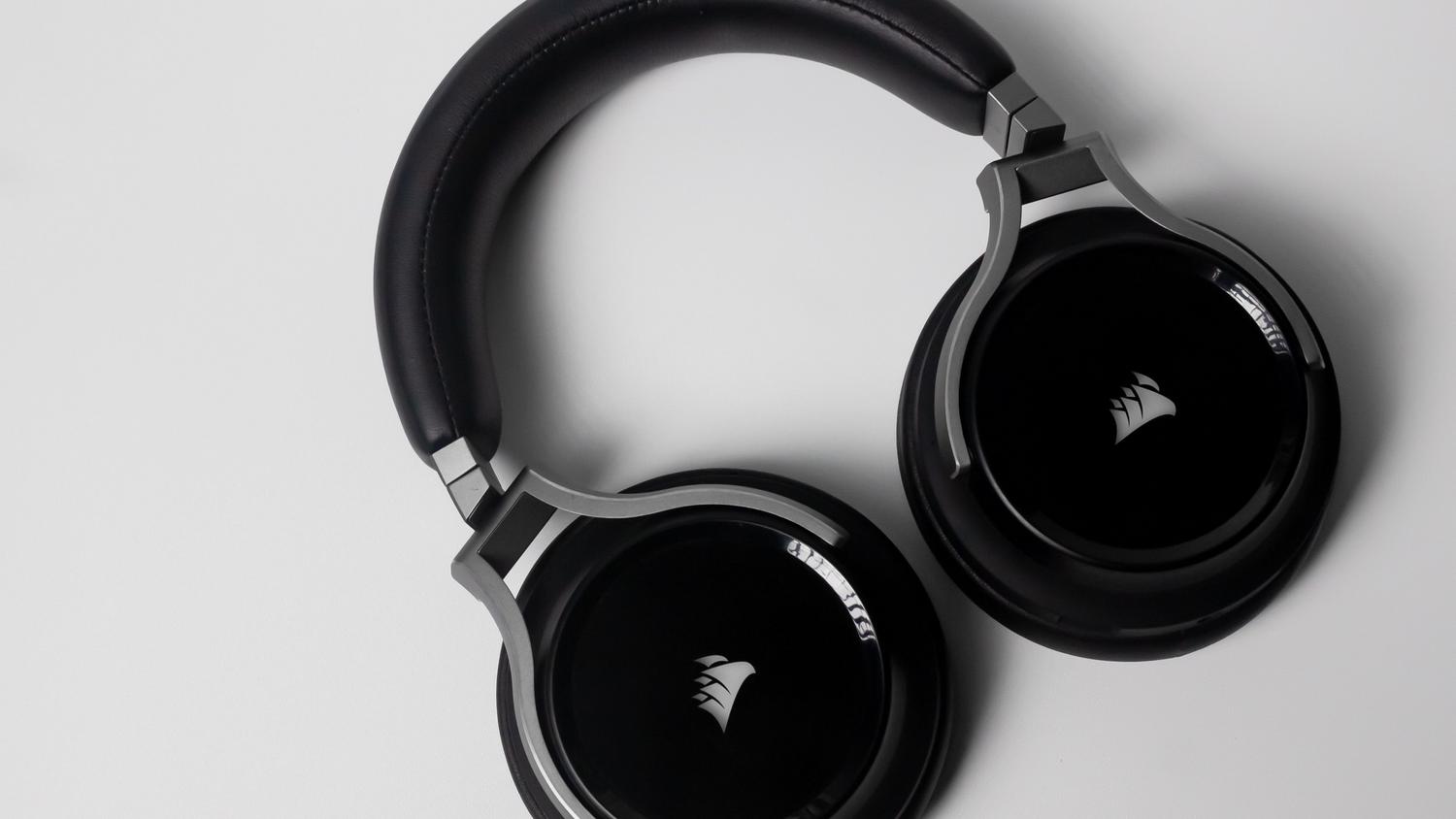
If you're someone who plays games on console or PC with wireless headphones, you know that audio lag is a nightmare. This is where the Isochronous Adaptive Layer (ISOAL) comes in , breaking down audio data into smaller chunks for faster transmission. Thanks to this, latency can drop below 20 milliseconds and even reach 7 milliseconds with the LC3Plus codec , virtually eliminating any perceptible delay.
Furthermore, the leap in sound quality is remarkable. Support for lossless audio with resolutions up to 32-bit/96kHz allows music to be heard with astonishing purity. Essentially, we're talking about wireless Hi-Res audio that no longer needs cables to sound professional, something that brands like JBL and Bang & Olufsen are already beginning to integrate.

Energy efficiency and battery life
Another strength is advertiser monitoring . Previously, devices would keep trying to connect with others even when they were no longer nearby, wasting battery power unnecessarily. Now, the system detects exactly when a device enters or leaves range, allowing the processor to rest longer and preventing blind scans that only drain energy.
For those more technically inclined, Frame Space is no longer a fixed value of 150 µs, allowing controllers to adjust the timing as needed for greater robustness or lower latency. This is all complemented by LL's extended feature set , which enables devices to negotiate their capabilities more comprehensively and flexibly.
Evolution of the standard and the path towards version 6.1
Looking back, Bluetooth has come a long way. From version 1.0 in 1999, which was a connectivity mess, we went through 2.0 with its improved data rate and the legendary 4.0, which introduced Bluetooth Low Energy (BLE) to save battery life. The 5.0 series brought a huge leap in range (up to 240 meters), and version 5.2 gave us LE audio, but Bluetooth 6.0 is the one that finally standardizes intelligent connectivity. To better understand this evolution, you can review the differences between Bluetooth 4.0, 5.0, and 5.3.
Version 6.1, which focuses on privacy, has already been released. This update introduces random private address (RPA) changes managed directly by the controller, not the host CPU. This makes it much harder to track a device over time, and the main processor can remain in sleep mode, saving even more power.
