- Many A/V receivers clone the bass signal even though they have multiple physical outputs due to limitations of the DSP chip.
- Mixing subwoofers of different brands or sizes without independent control can cause acoustic cancellations and sound nulls.
- The new architectures based on SHARC processors allow for truly independent equalization for each bass channel.
- It is possible to overcome the limitations of older equipment using external processors such as miniDSP or measurement software such as REW.
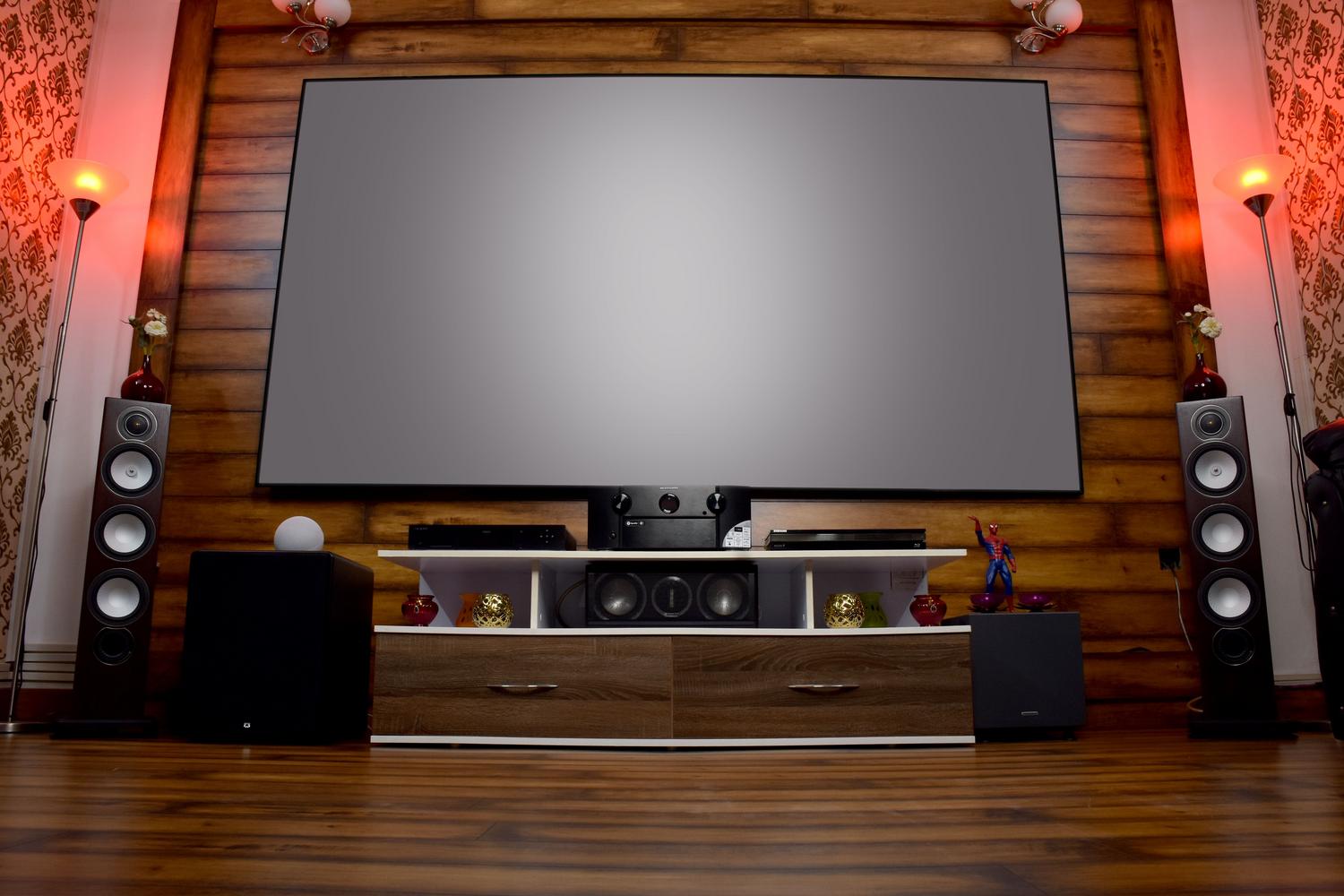
Setting up a bass system in the living room is no walk in the park. For many home theater enthusiasts, getting subwoofers to integrate perfectly is probably the most common headache , since the acoustics of each room can be quite unpredictable, and simply plugging in the cables and pressing play isn't always enough.
There's a widespread misconception that having multiple subwoofer outputs on an A/V receiver guarantees complete control over each speaker. However, the technical reality is that many systems clone the signal , meaning that even though you see two physical ports, the receiver treats both speakers as if they were a single unit, severely limiting sound optimization.

The myth of independent exits and the DSP problem
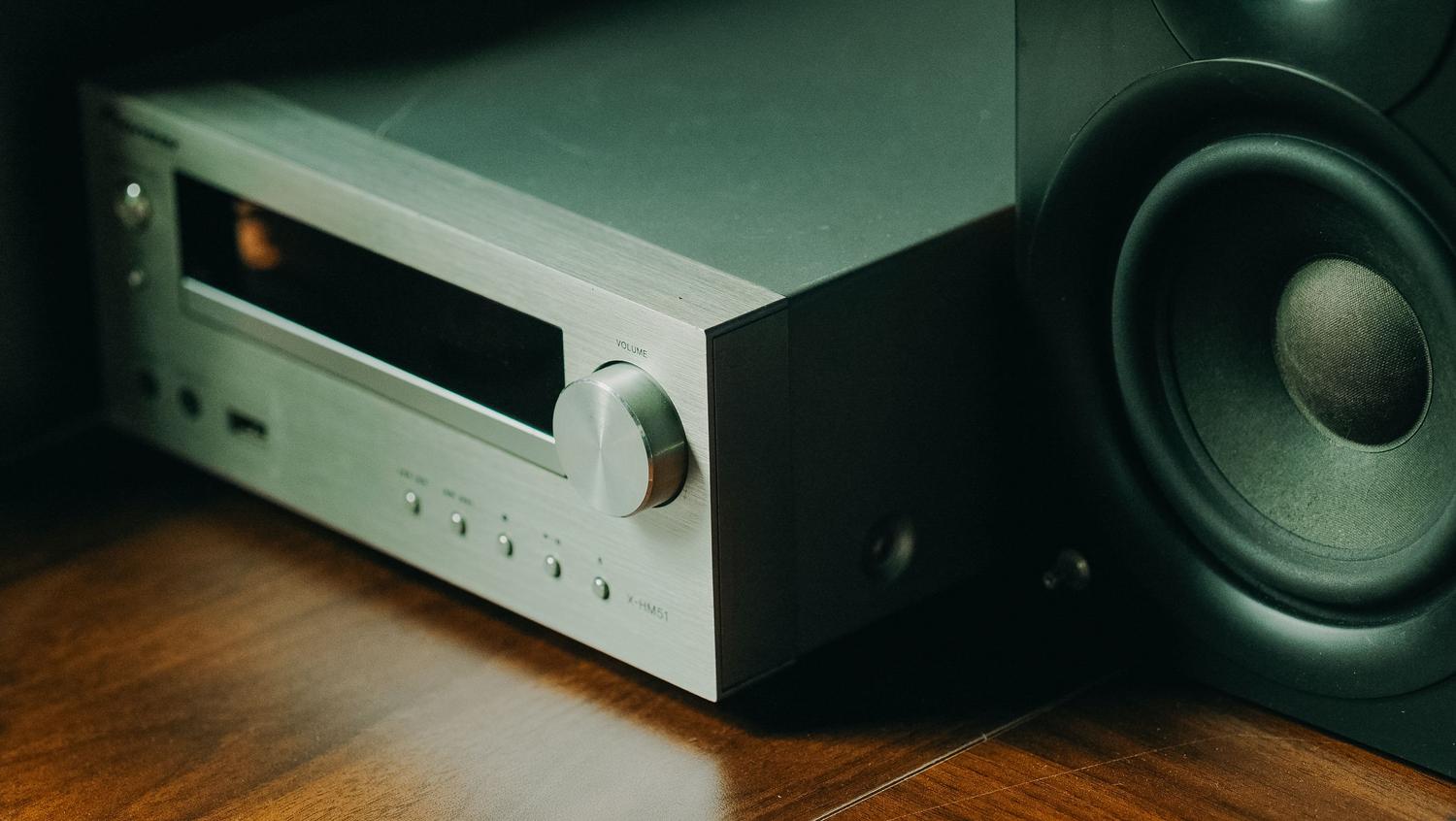
To understand why some receivers don't handle bass separately, we need to look inside. For years, powerful brands like Denon and Marantz have used Cirrus Logic DSP chips (specifically the CS49844 series) in their mid-range and high-end models. The problem is that this hardware processes bass through a single internal mono path.
This means that, even if the receiver has two RCA or XLR outputs, both receive the same equalization and filters. In other words, they are exact copies of each other . Interestingly, some older models were superior in this respect because they used Analog Devices' SHARC processors, which did allow independent data streams—a capability that was lost for a time to reduce manufacturing costs.
Bestselling models like the Denon AVC-X3700H or several Marantz series suffer from this limitation. Even very high-end equipment, such as the AVC-X8500H, can exhibit this electronic bottleneck , where the room correction curve is replicated across all bass outputs regardless of the speaker's placement.
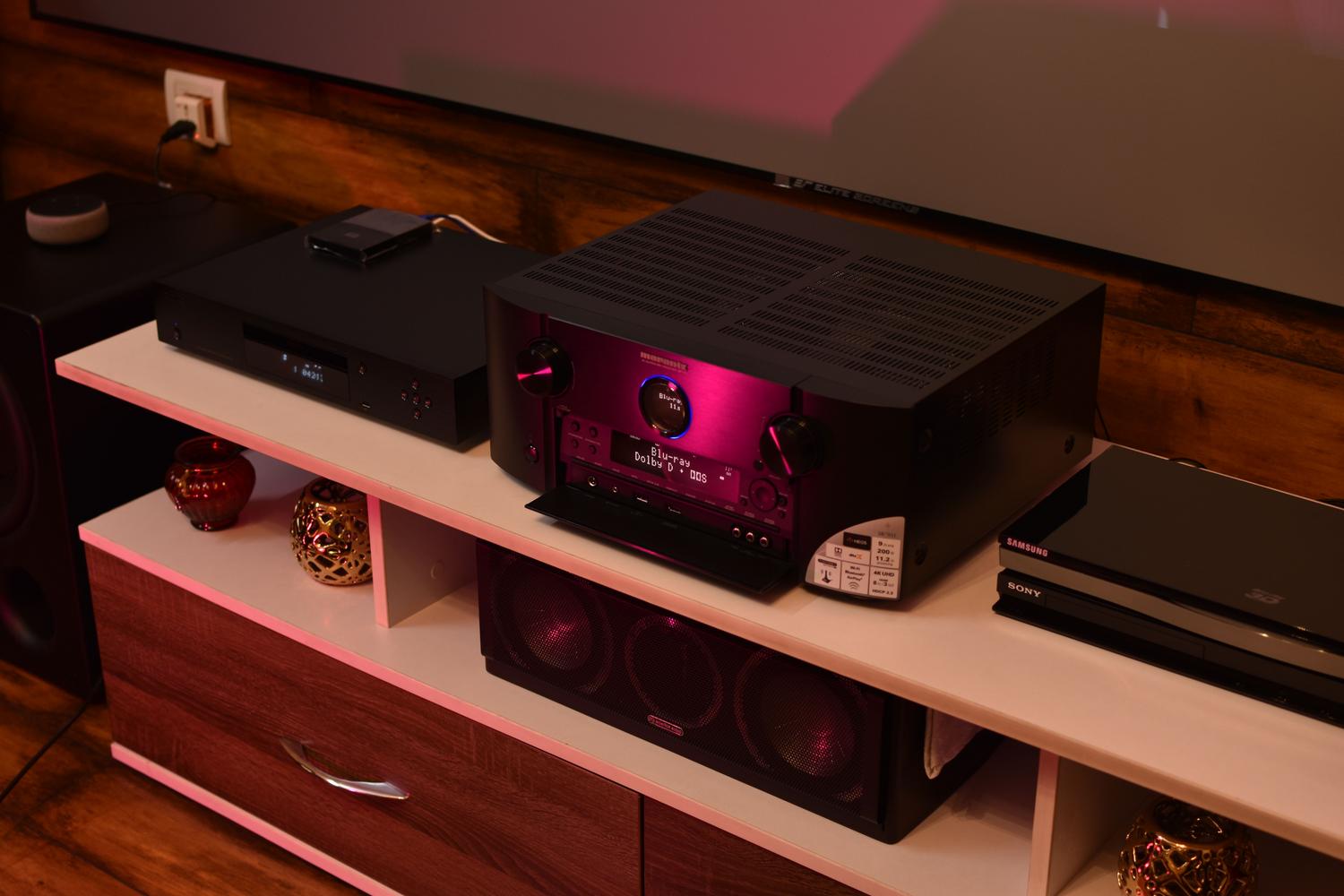
Many users feel misled because the receiver's menu allows them to adjust the volume and distance of each subwoofer separately. It's not that the manufacturer is lying, but rather that there's a trick in the software . The volume level and delay are simple mathematical adjustments applied at the end of the signal chain, just before the signal leaves the cable.
However, what really matters for the sound are the complex filters and crossovers . These are generated within the DSP, and since there's only one mono channel, both subwoofers receive the same correction, ignoring the fact that one corner of the room might have different acoustic nulls than the opposite corner.
Risks of mixing different subwoofers
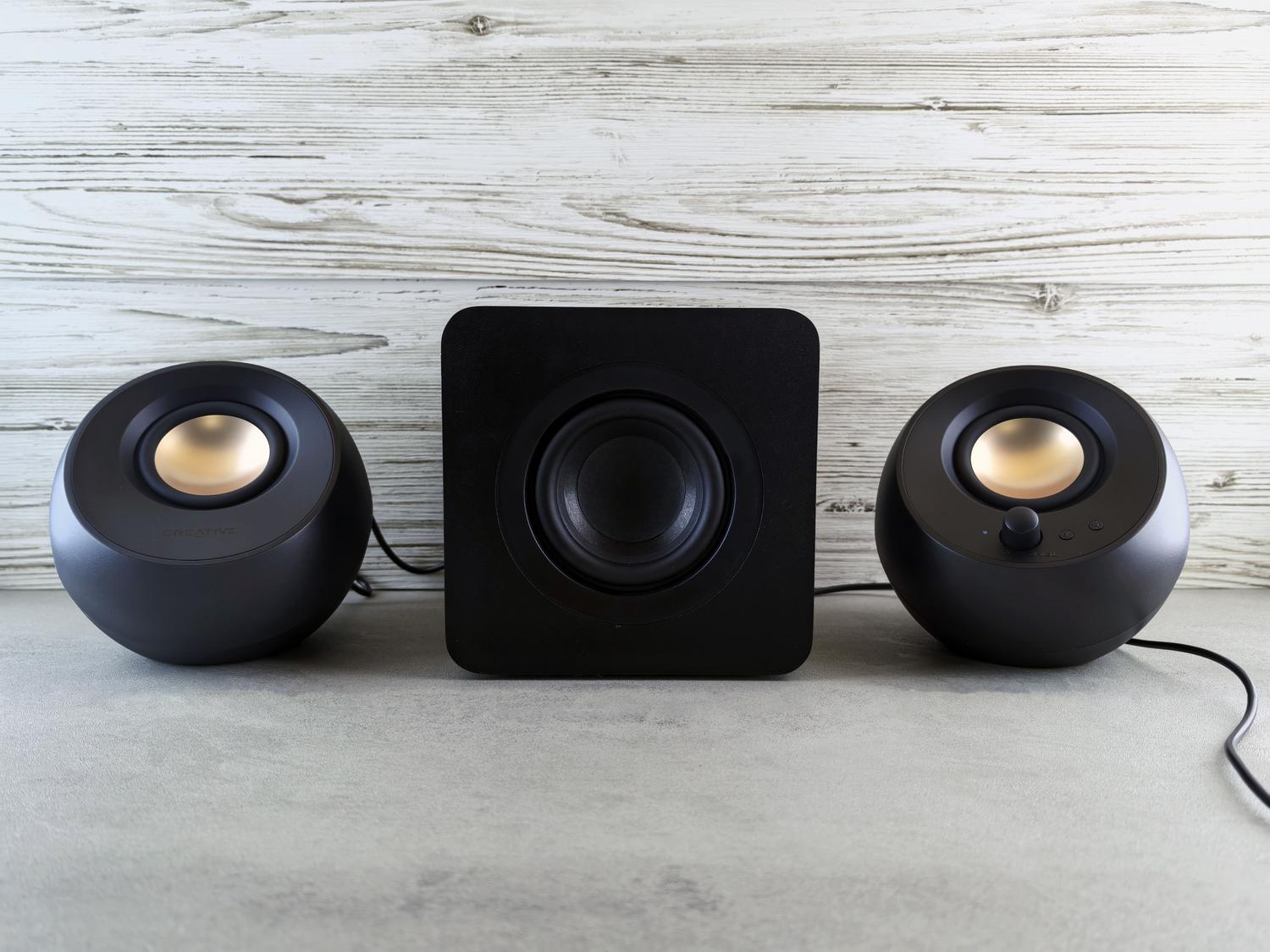
If you use two identical speakers, the fact that the signal is cloned isn't usually a problem, since the waves add up coherently. The real issue arises when we try to mix different brands, sizes, or technologies , such as combining a 10-inch sealed subwoofer with a 12-inch bass reflex subwoofer.
- Time lag: Each design has a different response and drop speed.
- Acoustic cancellations: Applying the same equalization to them, it is likely that cancel each other out at certain frequencies, creating gaps where the bass disappears.
- Lack of specific filters: For different banks to cooperate, it is vital to apply independent cut filters that compensate for the shortcomings of each transducer.
Technological evolution and the new paradigm
From the end of 2022, the landscape changed thanks to the implementation of the Analog Devices SHARC (Griffin Lite EVO) platform in models such as the Denon AVR-X3800H or the Marantz Cinema 50. This architecture allows for the management of up to four subwoofers completely independently.
With this digital processing power, the Audyssey XT32 system can now calculate separate equalization curves for each channel. Furthermore, it provides the necessary foundation for using professional tools like Dirac Live Bass Control (DLBC) , which optimizes the interaction between different bass frequencies. It has even enabled the introduction of a directional bass mode, although its practical everyday use is more debatable.
How to solve the lack of independence in older computers
If your receiver has the Cirrus Logic limitation, you don't have to throw it away. There are ways to bypass this electronic restriction. One very effective option is to use external hardware like the 2x4 HD miniDSP . You connect a single output from the receiver to the miniDSP and from there distribute the signal to each subwoofer.
By combining this with a measurement microphone (such as the UMIK-1) and Multi-Sub Optimizer (MSO) software , you can equalize and delay each speaker individually. A more economical alternative is the combined measurement method using programs like REW or AcoustiX . In this case, the subwoofers are set to neutral mode, and a measurement of the actual sum reaching the ear is taken to apply a global correction that mitigates room nulls.
Connection Guide: Active and Passive Subwoofers
For those starting from scratch, it's essential to distinguish between an active subwoofer (which already has its own amplifier) and a passive one (which requires external power). For an active subwoofer , simply use a coaxial RCA cable from the amplifier's "Sub Out" output to the subwoofer's LFE input.
In the case of a passive subwoofer , the connection is similar to that of any speaker, using power cables. If the amplifier has terminals A and B and the main speakers are connected to A, the subwoofer connects to B. It is advisable to use cables with a larger cross-section to better handle the power of the low frequencies. In more professional or PA installations, it is ideal to use an active crossover that separates the frequencies before they reach the power amplifiers, thus preventing the amplifier from operating in ranges that will later be discarded by passive filters.
Having real control over bass output makes all the difference between muddy sound and a truly immersive cinematic experience. Whether it's upgrading your hardware to SHARC processors, using external solutions like miniDSP, or simply optimizing phase and placement, the goal is to master the room's acoustics so your subwoofers work in harmony and don't clash with each other.